





A career in business can take you in a lot of different directions. You might find yourself developing marketing campaigns, managing a company's finances, improving operations, or helping an organization make better decisions. But with so many possible paths, figuring out where to start isn't always easy.
If you're wondering how to prepare for a career in business, start by exploring different career paths, developing practical skills, and understanding the education and experience employers may expect. You don't necessarily need to have your entire career mapped out before getting started, but building a strong foundation can help you make more informed decisions along the way.
Here are seven steps to help you prepare for a future career in business, whether you're just starting college, considering a business degree, or exploring a career change.
1. Explore Different Types of Business Careers
One of the biggest advantages of studying business is the variety of career opportunities available. Business professionals work in nearly every industry, from healthcare and technology to retail, finance, and manufacturing.
Some common career paths include:
| Career Area | What You Might Do |
|---|---|
| Marketing | Research customers, develop campaigns, and promote products or services |
| Finance | Analyze financial information, manage budgets, and evaluate investments |
| Accounting | Prepare financial records, track expenses, and support financial reporting |
| Human Resources | Support hiring, employee development, and workplace policies |
| Management | Lead teams, coordinate resources, and oversee business operations |
| Operations | Improve processes, manage projects, and help organizations work efficiently |
| Entrepreneurship | Develop products or services and manage a business |
Not sure which direction interests you most? Start by researching job descriptions for entry-level positions in a few different areas.
Pay attention to the responsibilities, qualifications, and skills employers mention most often. This can help you narrow your interests before committing to a specific major or career path.
2. Build Essential Business Skills
Regardless of which business career you pursue, certain skills are valuable across many roles.
Communication
Business professionals need to communicate ideas clearly, whether they're writing emails, presenting information, negotiating with clients, or collaborating with coworkers.
Practice organizing your thoughts, adapting your message to different audiences, and explaining complicated information in simple terms.
Critical Thinking and Problem-Solving
Business decisions often involve weighing competing priorities. You might need to determine why sales are declining, evaluate a new investment, or recommend ways to improve a process.
Developing the ability to analyze information, consider alternatives, and explain your reasoning can help you approach these challenges.
Financial Literacy
Even if you don't plan to work in accounting or finance, understanding basic financial concepts can be useful. Learn how budgets, revenue, expenses, profits, and financial statements work. These concepts can help you understand how organizations operate and make decisions.
Digital and Analytical Skills
Many business roles involve working with spreadsheets, reporting tools, customer data, or project management software. Becoming comfortable with tools like Microsoft Excel or Google Sheets is a practical starting point. You can also explore data visualization, digital marketing platforms, or other tools relevant to your interests.
Collaboration and Leadership
Business rarely happens in isolation. Learning how to contribute to a team, manage responsibilities, resolve disagreements, and support shared goals can prepare you for professional environments.
You don't need a management title to start developing leadership skills.
3. Understand the Education Requirements
Do you need a business degree to work in business?
Not always. Education requirements depend on the position, employer, and industry. Some entry-level business roles may be accessible with a high school diploma, relevant experience, or specialized training. Others, particularly in fields such as accounting, financial analysis, and certain management positions, commonly require a bachelor's degree.
Business-related degree options include:
- Business Administration
- Accounting
- Finance
- Marketing
- Management
- Human Resources
- Supply Chain Management
- Business Analytics
A general business administration degree may appeal to students who want exposure to several business functions, while a specialized degree can provide more focused preparation.
Before choosing a program, review job postings for careers that interest you. Compare the qualifications employers request with the courses and experiences offered by different degree programs.
4. Start With Foundational Business Courses
You don't necessarily need to wait until you're enrolled in a full degree program to begin learning business fundamentals. Introductory college courses can help you explore different subjects while building knowledge you may use throughout your education and career.
For example:
- Introduction to Business: Learn how organizations operate, including basic concepts in management, marketing, and finance.
- Accounting: Understand financial statements, transactions, and how businesses track financial performance.
- Economics: Explore how markets operate and how economic conditions influence business decisions.
- Business Communication: Develop professional writing, presentation, and workplace communication skills.
- Business Ethics: Examine ethical decision-making and responsibilities in business environments.
These courses can also help you discover which areas interest you most before selecting a concentration or specialized degree.
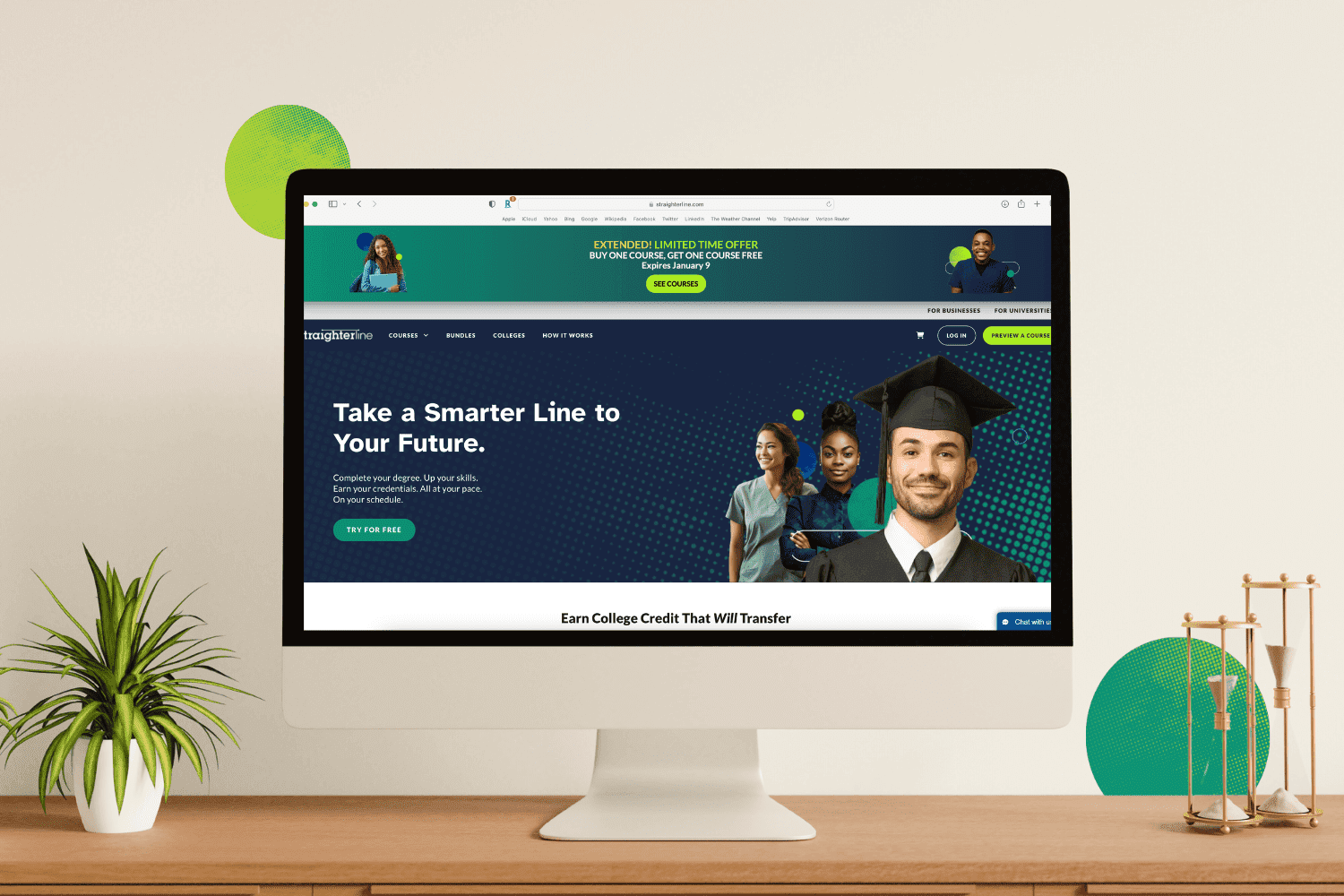
For students who want to begin building that foundation without committing to a traditional semester schedule, StraighterLine offers affordable, self-paced online business courses, including Introduction to Business, Accounting, Economics, and Business Communication.
StraighterLine courses carry ACE credit recommendations and may satisfy eligible college requirements, depending on your school's transfer policies.
Explore StraighterLine's online business courses to find affordable, self-paced options in subjects like accounting, economics, business communication, and management. With flexible online learning and credits that have been accepted at 3,000+ colleges and universities, StraighterLine can help you complete eligible requirements on your schedule and take a practical first step toward your business career.

5. Gain Practical Experience Before Applying for Jobs
Education can introduce you to important business concepts, but applying those concepts can help you develop skills employers value. You don't necessarily need a formal internship to get started.
Look for opportunities to:
Pursue Internships
Internships can introduce you to workplace expectations, business processes, and professional responsibilities. They may also help you determine whether a particular career area is a good fit.
Take on Projects
Try creating a marketing plan for a fictional product, analyzing a company's financial performance using publicly available data, or building a simple project budget. These activities give you opportunities to practice applying what you've learned.
Get Involved in Student Organizations
Business clubs, entrepreneurship groups, and student leadership organizations can provide experience with teamwork, event planning, budgeting, and communication.
Build Experience Through Work
Part-time jobs in retail, customer service, administration, or sales can help you develop transferable skills. For example, handling customer concerns can strengthen communication and problem-solving abilities, while coordinating shifts or training coworkers can provide early leadership experience.
The goal is to find opportunities where you can demonstrate what you're capable of doing, not just what you've studied.
6. Build Your Professional Network
Networking doesn't have to mean attending formal events or reaching out to strangers asking for jobs. Connect with professors, classmates, coworkers, alumni, or professionals working in areas that interest you.
Ask about their career paths, what their work involves, and which skills they wish they'd developed earlier.
You can also:
- Attend college career fairs.
- Participate in professional or student organizations.
- Create a LinkedIn profile.
- Join industry webinars or networking events.
- Request informational interviews with professionals.
These connections can help you learn about career opportunities and better understand what employers expect.
7. Prepare for the Business Job Search
As you get closer to applying for positions, focus on showing employers how your education and experience relate to the work they need done.
Build a Skills-Focused Resume
Include relevant coursework, internships, projects, work experience, and technical skills. Whenever possible, describe specific accomplishments rather than simply listing responsibilities.
For example, instead of writing "Helped with social media," explain how you planned content, tracked engagement, or contributed to a campaign.
Practice Common Interview Questions
Business interviews often focus on how you approach problems, communicate, and work with others.
Prepare examples that demonstrate how you've:
- Solved a problem
- Worked successfully on a team
- Managed competing priorities
- Used information to make a decision
- Handled a disagreement
- Learned a new skill
Research Each Employer
Before an interview, learn about the company's products, customers, competitors, and industry. Think about how the role you're applying for contributes to the organization's goals.
Showing that you understand the business can help you explain why you're interested in the opportunity.
How Long Does It Take to Prepare for a Business Career?
There's no single timeline. Some students begin working in entry-level business positions while completing their education. Others pursue a two-year or four-year degree before entering their chosen field.
Your timeline depends on:
- The career you want
- Required education or credentials
- Previous college credits
- Relevant work experience
- Whether you study full-time or part-time
If you're pursuing a degree, planning your coursework strategically may help you avoid unnecessary delays.
For example, completing eligible introductory business or general education requirements through a lower-cost online provider may allow you to make progress while balancing other responsibilities.
Just be sure to confirm how any outside coursework will apply to your degree before enrolling.
Frequently Asked Questions About Preparing for a Business Career
How do I prepare for a career in business?
Start by exploring business career paths, developing communication and analytical skills, researching education requirements, and gaining practical experience through internships, projects, or entry-level work.
What skills are important for a business career?
Communication, problem-solving, financial literacy, organization, teamwork, and digital skills are valuable across many business roles. Specific positions may require additional technical or specialized knowledge.
Do you need a college degree to work in business?
Not for every position. Some business jobs accept candidates with relevant experience or specialized training, while others typically require a bachelor's degree or additional credentials.
What are the best college courses to take for business?
Introduction to Business, Accounting, Economics, Business Communication, and Business Ethics can provide useful foundational knowledge. The best courses depend on your intended major and career goals.
Can you take business courses online?
Yes, many colleges and alternative education providers offer online business courses. Some are self-paced, while others follow traditional academic schedules.
Can you start a business career without experience?
Some entry-level positions are open to candidates with limited professional experience. Internships, coursework, volunteer projects, and part-time jobs can help you demonstrate relevant skills.
Start Building Your Business Career With StraighterLine
Preparing for a career in business doesn't require having every step figured out from the beginning. Start by exploring your interests, building foundational skills, and gaining experience that helps you understand where you want to go.
If earning a business degree is part of your plan, getting started with the right coursework can help you move toward that goal without taking on unnecessary costs or scheduling challenges.
Explore StraighterLine's online business courses to find affordable, self-paced options in subjects like accounting, economics, business communication, and management. With flexible online learning and credits that have been accepted at 3,000+ colleges and universities, StraighterLine can help you complete eligible requirements on your schedule and take a practical first step toward your business career.