




After years of dedicated service, pursuing a college degree is one of the best ways veterans can transition successfully into civilian life. Whether you’re looking to advance your career, explore a new field, or complete a degree you started before service, there are more affordable college options for veterans today than ever before — some even making higher education completely tuition-free.
But with so many programs, benefits, and schools competing for your attention, figuring out where to start can feel overwhelming. The good news? You’ve already earned significant education benefits through your military service. The key is understanding how to use them wisely and choosing the most cost-effective path toward your goals.
This guide breaks down affordable college options for veterans — from using the GI Bill and Tuition Assistance to finding flexible online learning options that reduce costs without sacrificing quality.

TL;DR
Affordable college options for veterans include:
Using the Post-9/11 GI Bill strategically for higher-cost, upper-level courses
Combining Military Tuition Assistance (TA) while serving with GI Bill benefits after separation
Earning college credit for military training through the Joint Services Transcript (JST) or CCAF
Starting with low-cost, ACE-recommended online courses that transfer to accredited colleges
Attending community colleges or Yellow Ribbon schools to reduce out-of-pocket costs
How Can Veterans Use the GI Bill to Save on College?
The Post-9/11 GI Bill is the most valuable education benefit for veterans and should be reserved for higher-cost coursework to maximize its impact.
The Post-9/11 GI Bill remains the cornerstone of veteran education benefits. If you’ve served at least 90 days of active duty after September 10, 2001, you may be eligible for tuition coverage at public colleges and universities, plus a housing allowance and a stipend for books and supplies.
However, depending on your goals, using the GI Bill wisely can make the difference between graduating debt-free and running out of benefits too soon.
Make Your GI Bill Go Further
Best strategy: Complete general education courses through low-cost, ACE-approved providers first, then apply GI Bill benefits to upper-level courses at a four-year institution.
Start with lower-cost, transferrable courses at a reputable partner institution before using your GI Bill for a four-year school. Many veterans take general education courses through online providers that offer college credit (such as StraighterLine), then transfer them to a four-year degree program later — one of several affordable college options for veterans that help extend GI Bill benefits.
Look for schools that cap or discount tuition for veterans. Some institutions reduce tuition for military students or waive certain fees.
Understand the 36-month limit. The GI Bill covers up to 36 months of benefits — typically enough for a four-year degree if you plan carefully. Using part of your benefit at an expensive institution can deplete funds quickly.
Smart strategy: Start with low-cost, ACE-approved online courses that are guaranteed to transfer to partner universities, so you save your GI Bill for upper-level classes later.
What Is Military Tuition Assistance and Who Qualifies?
Military Tuition Assistance (TA) allows active-duty service members to earn college credit with little or no out-of-pocket cost while serving.
If you’re currently serving on active duty, reserve, or National Guard, you may qualify for Tuition Assistance (TA). TA can cover up to 100% of tuition costs for approved courses — usually capped at $250 per semester hour and $4,500 per fiscal year. It’s another great example of how affordable college options for veterans and active-duty service members can work hand in hand.
TA is a fantastic benefit for service members who want to start or continue their education while still serving. You can often combine TA with online learning to earn credits before transitioning to civilian life.
Maximizing TA
Take online courses that fit your schedule. Flexible, self-paced programs let you complete coursework around duty hours and deployments.
Choose accredited programs. Only accredited courses qualify for TA reimbursement. Look for schools recognized by the Department of Defense.
Don’t overlap with GI Bill use. TA and GI Bill benefits can’t be used for the same course, but you can use them sequentially — TA while serving, GI Bill after separation.
Can Veterans Get College Credit for Military Experience?
Credit for prior learning allows veterans to convert military training and experience into college credit, reducing both time and tuition costs.
One of the biggest advantages veterans have is college credit for military training and experience. The American Council on Education (ACE) evaluates military occupations, courses, and training, recommending how many college credits they’re worth.
Many colleges accept ACE credit recommendations, which can significantly shorten your degree path.
How to Claim Your Credit
Request your Joint Services Transcript (JST) or Community College of the Air Force (CCAF) transcript.
Submit it to your chosen college or university.
Work with an academic advisor to map which credits apply toward your degree.
Earning credit for prior learning means fewer classes — and lower costs. Combine that with low-cost online general education courses, and you can reduce both the time and money it takes to graduate.
Consider Community Colleges and State Schools
Community colleges have long been a cost-effective starting point for veterans. Average tuition runs about $3,000 per year for in-state students — far less than most universities.
Many community colleges also participate in the Veterans Upward Bound program, which helps veterans prepare for college through refresher courses, academic advising, and tutoring.
Once you’ve completed general education requirements, you can transfer to a four-year university to finish your bachelor’s degree — ideally using your remaining GI Bill benefits for the more expensive upper-level courses.
Look for “Yellow Ribbon” Schools
If you’re interested in attending a private or out-of-state college, the Yellow Ribbon Program can help cover tuition and fees not fully paid by the Post-9/11 GI Bill.
Participating schools voluntarily contribute additional funds that the Department of Veterans Affairs matches. Each school sets its own contribution limits and eligibility criteria, so it’s worth comparing options before you apply.
The Yellow Ribbon Program is especially valuable if you’re pursuing specialized degrees that may not be available at public institutions.
Are Online Colleges a Good Option for Veterans?
Online learning is one of the most affordable and flexible college options for veterans, especially for completing general education requirements.
Online education has become a game changer for veterans and continues to lead the list of affordable college options for veterans. Beyond affordability, it offers flexibility, portability, and accessibility — key advantages for service members, veterans, and military spouses balancing education with family or work.
Many veterans find that online learning mirrors the self-discipline and independence developed in military service. You can study at your own pace, work around your schedule, and start courses whenever you’re ready — not just at the beginning of a semester.
What Makes a Veteran-Friendly Online Program
ACE-approved courses that transfer easily to accredited colleges and universities.
Dedicated military support staff who understand benefit eligibility and credit transfer.
Transparent pricing with no hidden fees or long-term contracts.
Self-paced options for flexibility during deployments, PCS moves, or family obligations.
How StraighterLine Helps Veterans Save Time and Money
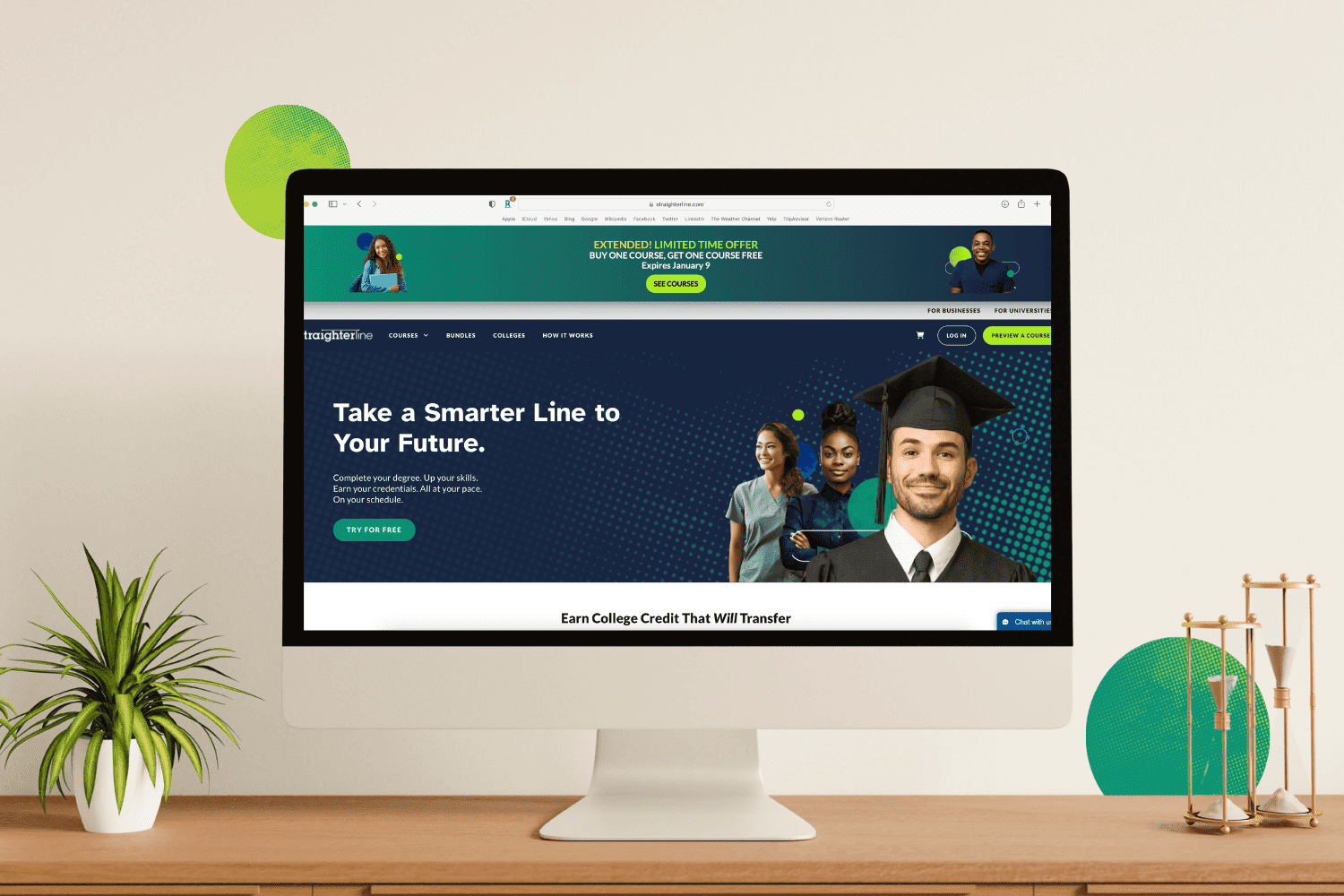
StraighterLine helps veterans lower the cost of a degree by offering low-cost, ACE-recommended courses that transfer to accredited colleges and universities.
One of the most effective ways to reduce your overall cost of a degree is to complete general education requirements affordably and then transfer them to a partner university. That’s where StraighterLine comes in.
StraighterLine offers online, ACE-recommended courses that are guaranteed to transfer to over 180 accredited partner colleges and universities. For veterans, this approach can significantly extend the value of your GI Bill or Tuition Assistance funds.
Why Veterans Choose StraighterLine
Low monthly cost. You pay only for the courses you take, with no long-term tuition commitments.
Transfer-friendly courses. All courses are ACE-recommended and accepted by StraighterLine’s extensive network of partner schools.
Work at your own pace. Complete courses in as little or as much time as you need to fit your schedule and goals.
Support when you need it. Student advisors can help map your transfer pathway and ensure you’re earning credits that count toward your degree.
For example, you could complete foundational courses like English Composition, College Algebra, or Intro to Psychology with StraighterLine for a fraction of the cost of traditional tuition. Then, when you transfer to a four-year school, your GI Bill can cover the more expensive, upper-level courses — saving you thousands of dollars overall.
Stack Your Benefits: Combining Strategies for Maximum Savings
Stacking education benefits means combining military credits, low-cost coursework, and GI Bill funding to minimize or eliminate student debt.
Veterans who graduate with minimal or no debt often combine multiple cost-saving strategies:
Start with StraighterLine or community college courses to cover general education credits.
Apply military training credits through your JST or CCAF transcript.
Transfer to a four-year Yellow Ribbon or public university to complete your degree.
Use your GI Bill for the remaining coursework, including housing and books.
By stacking your benefits and choosing cost-effective transfer options, you can earn a respected degree at a fraction of the traditional cost — often with zero student loan debt.
Resources for Veterans Pursuing College
Here are a few official resources to help you plan your next step:
Real Stories from Veterans Who’ve Been There
Affordable college options for veterans come to life through real success stories like Jason’s. A proud military veteran and father of six, Jason needed the flexibility to balance family, work, and school — without draining his GI Bill too soon. With StraighterLine’s self-paced, ACE-approved courses, he completed a full year of prerequisites in just a few months. That momentum helped him move straight into a Master of Science in Nursing program — a mission accomplished on his own terms.
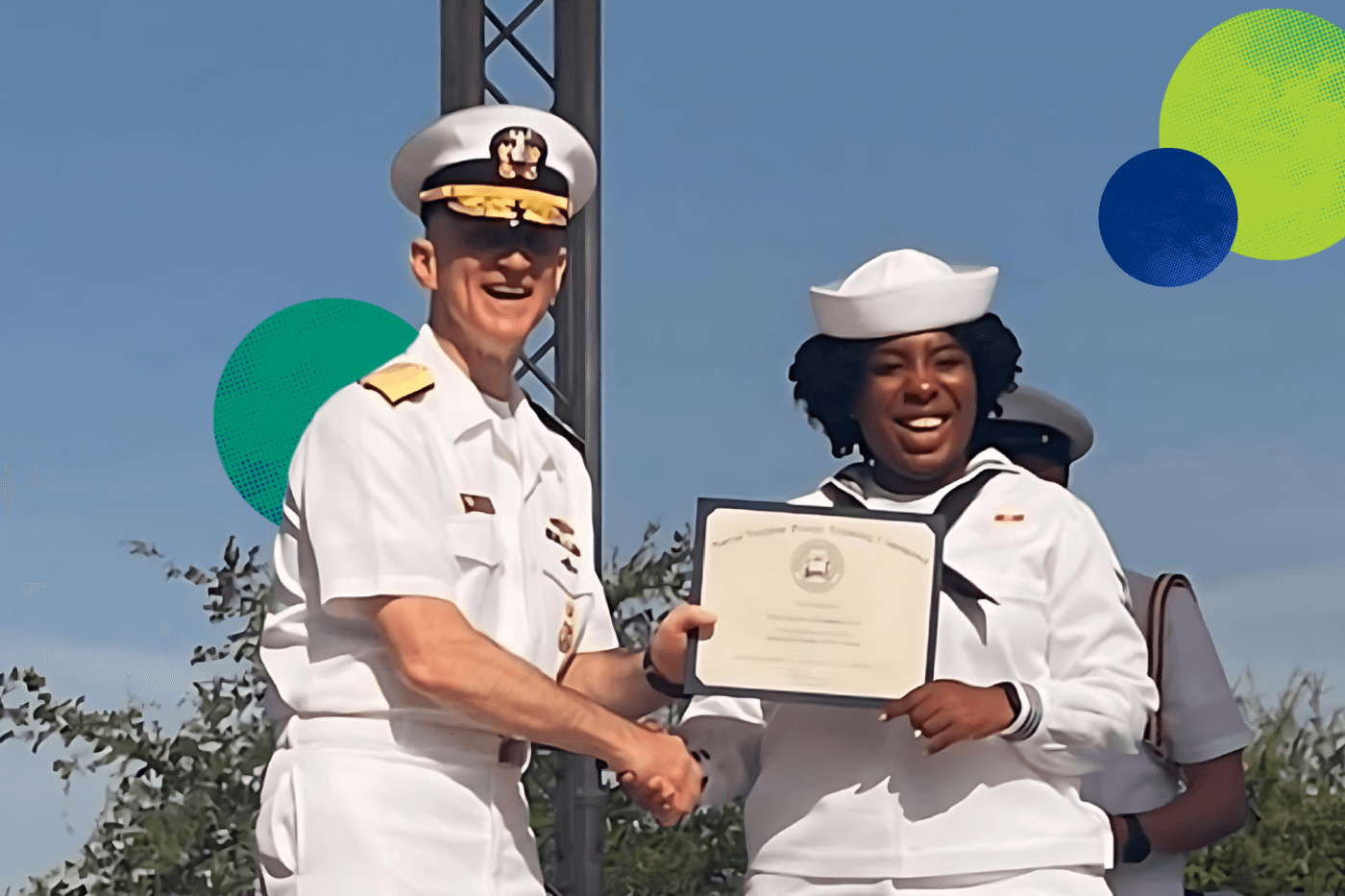
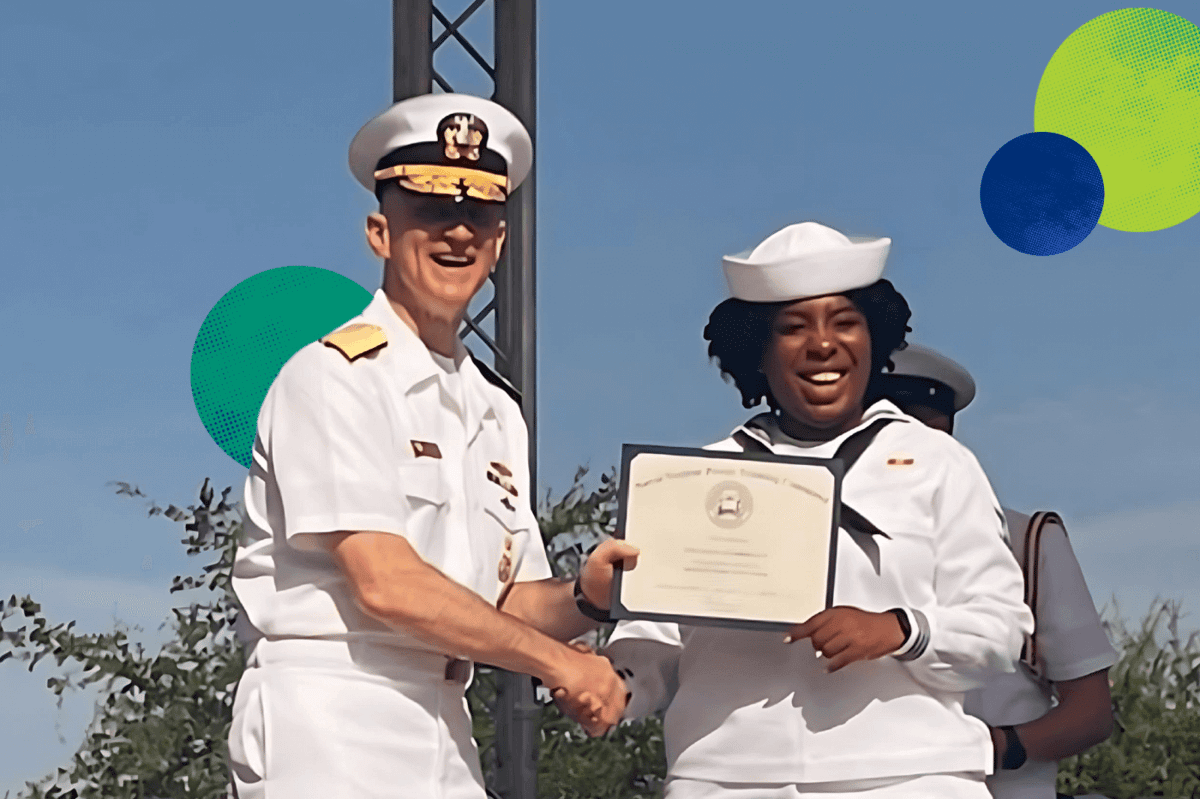
There's also KiAmbrielle, an active-duty Navy Petty Officer and nuclear engineering instructor who turned to StraighterLine’s affordable, self-paced courses to jumpstart her psychology degree. The flexibility allowed her to balance service, family, and education — and keep moving toward her goal of becoming a forensic psychologist.
The Bottom Line
Affording college as a veteran isn’t just about finding the cheapest option — it’s about choosing a smart, flexible path that maximizes your hard-earned benefits.
By combining military education credits, online learning, and strategic use of the GI Bill, you can complete your degree faster and with far less financial stress.
Veterans bring dedication, discipline, and focus to everything they do — including education. With the right approach, you can turn those strengths into a powerful academic and career advantage while keeping your costs low.
In short: Veterans save the most on college by earning transfer credit early, applying military experience toward degree requirements, and reserving GI Bill benefits for the most expensive coursework.
A Smarter Way for Veterans to Save on College
Ready to start earning affordable college credit on your schedule? Explore StraighterLine’s self-paced, transfer-friendly courses designed to help veterans and service members reach their education goals faster.
FAQs
What are the most affordable college options for veterans?
The most affordable college options for veterans include using the Post-9/11 GI Bill wisely, earning credit for military experience through ACE, starting at community colleges, enrolling in Yellow Ribbon schools, and completing low-cost, transferable online courses through providers like StraighterLine.
Can veterans go to college for free?
Yes. Many veterans can attend college with little or no out-of-pocket cost by combining the Post-9/11 GI Bill, Yellow Ribbon Program, military tuition discounts, and transfer credits from military training or ACE-recommended online courses.
Can I use both the GI Bill and Tuition Assistance?
No, the GI Bill and Tuition Assistance cannot be used for the same course. However, many service members use Tuition Assistance while actively serving and save their GI Bill benefits for after separation to cover remaining coursework and housing expenses.
Do online courses count toward a college degree for veterans?
Yes. Many accredited online courses count toward a college degree for veterans. ACE-recommended online courses are widely accepted by colleges and universities, especially for general education requirements, making them a flexible and affordable option.
How can veterans reduce the cost of a four-year degree?
Veterans can reduce the cost of a four-year degree by earning credit for military training, completing general education courses through low-cost online providers, starting at community colleges, and saving GI Bill benefits for upper-level university courses.