




Choosing a college is a big decision. While rankings, websites, and social media can give you a glimpse into campus life, nothing compares to visiting in person. College visits give you the opportunity to see what life is really like beyond the brochures and promotional videos.
But walking around campus and sitting through an information session isn't enough. To get the most out of your visit, it’s important to ask the right questions.The answers can help you determine whether a school is a good fit academically, financially, socially, and professionally. More importantly, they can help you avoid surprises after enrollment.
If you're preparing for a college tour, we’ve outlined 10 important questions to ask during college visits.
Why Are College Visits Important?
College visits help you evaluate factors that are difficult to assess online, including campus culture, student support, classroom environments, and overall fit.
A visit allows you to:
Experience the campus atmosphere firsthand
Meet current students and faculty
Learn about academic programs
Explore housing and dining options
Understand available support services
Compare schools more effectively
The more informed you are before enrolling, the more confident you'll feel about your decision.
1. What Is the Average Class Size?
Class size can significantly impact your learning experience.
Some students thrive in large lecture halls, while others prefer smaller, discussion-based classes where they can build relationships with professors.
Ask about:
Introductory course sizes
Upper-level course sizes
Student-to-faculty ratios
Opportunities for one-on-one faculty interaction
Understanding the classroom environment can help you determine whether you'll receive the level of support and engagement you're looking for.
2. What Support Services Are Available for Students?
College can be challenging, even for highly motivated students. Strong support systems can make a major difference in student success and graduation rates.
Ask about:
Academic advising
Tutoring services
Writing centers
Career counseling
Mental health resources
Disability accommodations
The best colleges don't just admit students. They actively invest in helping them succeed.
3. What Opportunities Exist for Internships and Career Development?
A degree is important, but employers increasingly value practical experience as well.
Career preparation should start long before graduation.
Ask questions such as:
How many students complete internships?
What employers recruit on campus?
Are internship placements available in my major?
What career services are offered?
What are recent graduate employment outcomes?
Strong internship and career support can help you gain experience, build your network, and transition more successfully into the workforce.
4. How Much Financial Aid Do Students Typically Receive?
College affordability matters.
While published tuition rates can seem intimidating, many students pay less than the sticker price because of scholarships, grants, and financial aid.
Ask about:
Average financial aid packages
Merit scholarship opportunities
Need-based aid options
Work-study programs
Scholarship renewal requirements
Understanding the true cost of attendance can help you compare schools more accurately and avoid unnecessary debt.
5. What Is the School's Policy on Transfer Credits and Alternative Credit?
College costs can add up quickly, which is why many students look for other ways to complete courses before enrolling or while working toward their degree.
Not all colleges evaluate transfer credits the same way, so it's important to understand a school's policies before making decisions about coursework.
Ask questions like:
How many transfer credits can I bring in?
Are there limits on general education transfer credits?
Do you accept credits from alternative providers that are not degree-granting institutions?
Is there a transfer credit evaluation process available before I enroll?
Are there specific transfer partnerships in place?
Understanding these policies can help you potentially save both time and money on your degree. For example, many students complete affordable online general education courses through online platforms like StraighterLine and transfer those credits toward their degree requirements at their colleges and universities.
The more you know about transfer opportunities before enrolling, the easier it can be to build a degree pathway that fits your budget and graduation timeline.

6. What Is Campus Life Like Outside the Classroom?
Your college experience will extend beyond academics. Campus culture plays a major role in your overall satisfaction and sense of belonging.
Ask students and staff about:
Student organizations
Campus traditions
Social events
Volunteer opportunities
Recreational activities
Pay attention to how people describe the community. Their enthusiasm and experiences can tell you a lot about daily life on campus.
7. What Are Housing Options Like?
Whether you plan to live on campus or eventually move off campus, housing is an important consideration.
Ask questions about:
Residence hall options
Housing costs
First-year housing requirements
Roommate matching processes
Off-campus housing availability
If possible, tour a residence hall during your visit. Photos rarely tell the full story.
8. What Is the Graduation Rate?
Graduation rates can provide insight into student success and institutional effectiveness.
While many factors influence graduation outcomes, a strong graduation rate may indicate that students receive adequate support and are able to stay on track academically.
You can ask:
What percentage of students graduate within four years?
What percentage graduate within six years?
What initiatives help students persist to graduation?
Schools should be transparent about these numbers and willing to discuss how they support student achievement.
9. How Easy Is It to Change Majors?
Many students enter college unsure of their long-term academic or career goals.
In fact, changing majors is extremely common.
Ask about:
Policies for changing majors
Popular pathways between programs
Time-to-graduation impacts
Academic advising for undecided students
A school that supports academic exploration can provide flexibility if your interests evolve over time.
10. What Do Current Students Wish They Knew Before Enrolling?
This may be the most valuable question you ask all day. Current students often provide honest perspectives that admissions materials won't cover.
Their answers may reveal:
Unexpected challenges
Helpful resources
Campus culture realities
Academic expectations
Tips for success
If possible, ask multiple students. Different perspectives can help you gain a more balanced understanding of the college experience.
How to Get the Most Out of a College Visit
Asking good questions is only part of the process. A little preparation can help you maximize your visit.
Before you arrive:
Research the school and academic programs
Create a list of priorities and concerns
Bring a notebook or use your phone to take notes
Compare answers across different colleges
During the visit:
Attend information sessions
Tour academic buildings
Visit residence halls
Speak with current students
Explore the surrounding community
Afterward, review your notes while the experience is still fresh. Small details can blur together after visiting multiple campuses.
Frequently Asked Questions About College Visits
What questions should I ask on a college tour?
Focus on academics, financial aid, career outcomes, student support services, housing, campus culture, and graduation rates. These topics provide a well-rounded view of the student experience.
How many colleges should I visit?
There's no perfect number, but many students find that visiting three to five schools provides enough comparison points to make a confident decision.
Should parents ask questions during college visits?
Absolutely. Parents often have questions about costs, safety, housing, and student support resources. However, students should take the lead whenever possible since they'll be the ones attending.
When is the best time to visit a college?
Visiting while classes are in session offers the most authentic experience. You'll be able to see students, attend information sessions, and observe campus life in action.
Do college visits affect admissions decisions?
At some institutions, demonstrated interest can be considered during admissions review. Even when it isn't, visiting can help you determine whether the school is truly a good fit.
Looking for a More Affordable Path to College?
College visits are about more than touring the campus. They offer opportunities to gather the information you need to make one of the biggest educational decisions of your life. By asking thoughtful questions about academics, affordability, student support, and career outcomes, you'll gain a clearer picture of whether a school aligns with your goals.
And while choosing the right college is important, so is finding ways to make your degree more affordable and efficient.
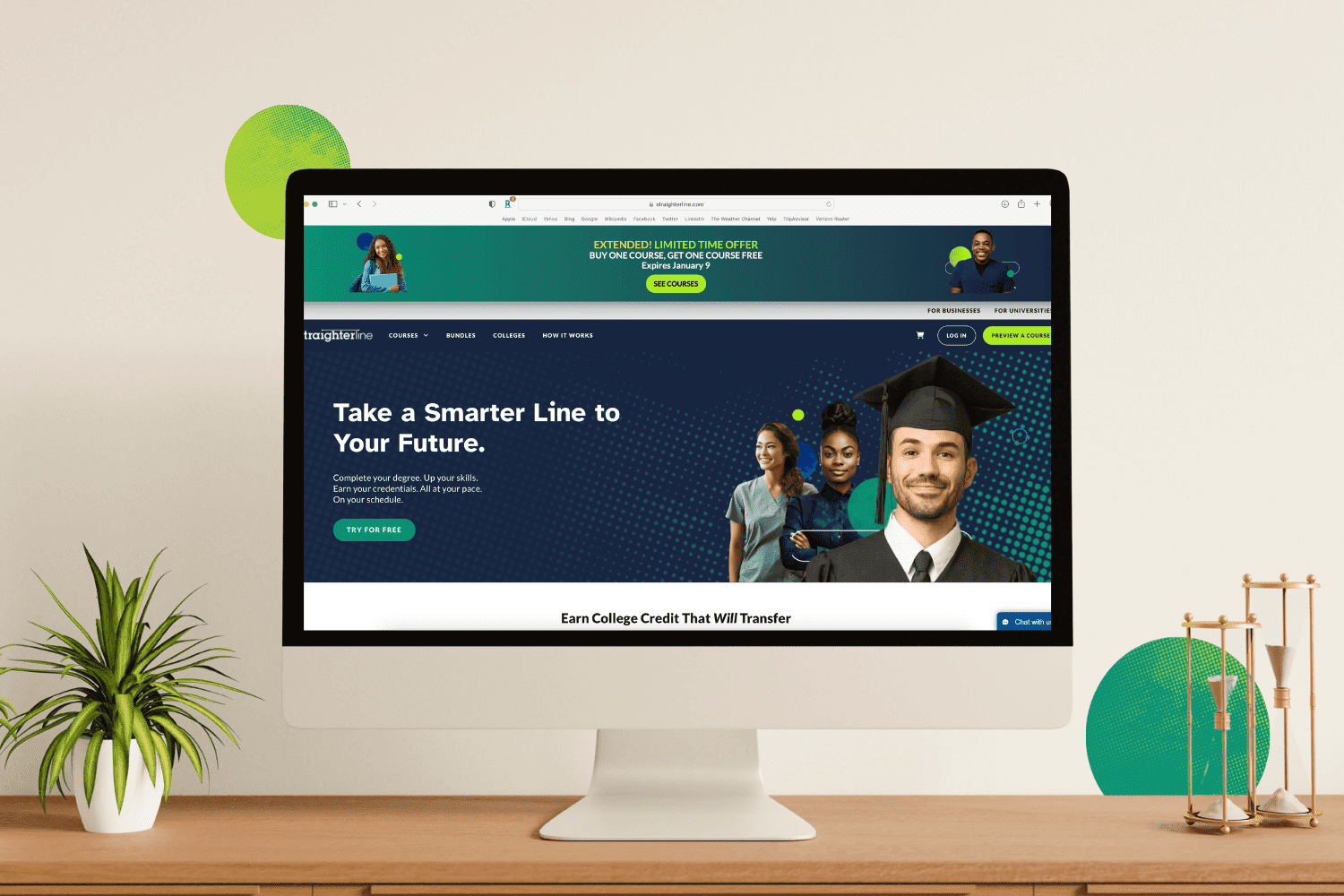
That's where StraighterLine can help. With flexible, online college courses that transfer to more than 3,000 colleges and universities, StraighterLine offers students an opportunity to complete general education requirements at a lower cost before or during their degree journey.
As you evaluate colleges and plan your path to graduation, explore StraighterLine's course catalog to see how you can save time and money getting your college degree.