





Choosing a college major can feel like a big decision. But what happens if you change majors after you've already started your degree?
In most cases, changing your major means your college will reevaluate the credits you've already earned against the requirements for your new degree program. Some courses may still count toward general education or elective requirements, while others may no longer move you closer to graduation. Depending on when you switch and how different your new major is, changing majors could also affect your graduation timeline and total college costs.
That doesn't mean you're stuck with the first major you choose. Understanding what happens when you change majors can help you make the switch strategically — and avoid spending more time or money than necessary.
Can You Change Your Major in College?
Yes. Most colleges allow students to change their major, although the process and requirements vary by institution.
You may need to:
Meet with an academic advisor
Submit a change-of-major form
Meet GPA or prerequisite requirements
Apply or be admitted to a specific department or program
Complete a new degree audit
Some majors may also have limited enrollment or additional admission requirements, so switching isn't always automatic. Before making the change, review your school's policies and talk with an academic advisor about how the new major will affect the credits you've already earned.
What Happens to Your Credits If You Change Majors?
One of the biggest concerns students have when changing majors is:
"Will I lose all the credits I've already earned?"
Usually, no. Your completed courses don't simply disappear from your transcript because you change majors. The bigger question is how those credits apply to your new degree requirements.
Your credits may fall into a few different categories.
General Education Credits
General education courses are often the easiest credits to carry from one major to another because they're required across many degree programs. They include courses like:
These courses may still satisfy requirements after you switch majors.This is one reason completing general education requirements early can give you more flexibility while you're deciding what you want to study.
Elective Credits
A course that no longer fulfills a major requirement may still count toward your total elective credits. For example, if you switch from business to psychology, a business course you've already completed might count as an elective instead of a requirement for your new major.
That means the credit you’ve already earned can still help you reach the total number of credits required for graduation — even if it doesn't satisfy a specific requirement directly related to your new major.
Major-Specific Credits
This is where changing majors can have the biggest impact. Courses designed specifically for your old major may not satisfy requirements for your new one.
If you've already completed several advanced courses in accounting and decide to switch to biology, for example, many of those credits may not apply toward the required biology coursework. The further you are into a highly specialized major, the more carefully you'll want to evaluate the impact of switching.
Will Changing Your Major Delay Graduation?
Changing majors can delay graduation, but not always.
The impact depends on several factors:
How early you switch
How many credits you've completed
How many of those credits apply to the new major
How different the two programs are
Whether required courses are available when you need them
Your course load each semester
Switching from one related major to another may have relatively little impact. For example, moving from marketing to business administration could involve significant overlap in required courses.
Switching from marketing to nursing, on the other hand, could introduce an entirely different set of prerequisites and degree requirements. The key is understanding exactly what you have left to complete before making the switch.
Does Changing Majors Cost More Money?
If changing your major adds courses or semesters to your degree, you'll likely have additional tuition and fees to consider. You may also have additional expenses for books, transportation, housing, or other living costs.
That's why the financial impact isn't just about the price of the extra courses. Suppose changing majors adds one semester to your degree. You'll also want to consider the cost of:
Course materials
Housing
Food
Transportation
Lost or reduced working hours
Before switching, compare the total remaining cost of your current degree path with the new one. If the new major is a better fit for your goals, the additional investment may make sense. But knowing the numbers upfront can help you plan for them instead of being surprised later.
How Can You Change Majors Without Wasting Credits?
You can't always make every previous course count toward a new degree, but you can take steps to minimize wasted time and money.
1. Run a New Degree Audit
A degree audit shows which requirements you've already completed and which ones remain. Ask your advisor to run one for the major you're considering before you officially switch.
Pay particular attention to:
General education requirements
Prerequisites
Major requirements
Electives
Minimum credit requirements
Residency requirements
You'll get a much clearer picture of how close you actually are to completing the new degree.
2. Compare Your Existing Credits to the New Requirements
Don't simply count how many credits you've earned. Instead, pay attention to how many apply to the new degree you want to pursue. If you've earned 60 college credits but only 45 apply to your new program, you'll want to build your timeline and budget around those 45 applicable credits.
3. Finish Requirements That Work for Both Majors
If you're still deciding between two majors, prioritize courses that apply to both whenever possible.General education requirements are often a good place to start.
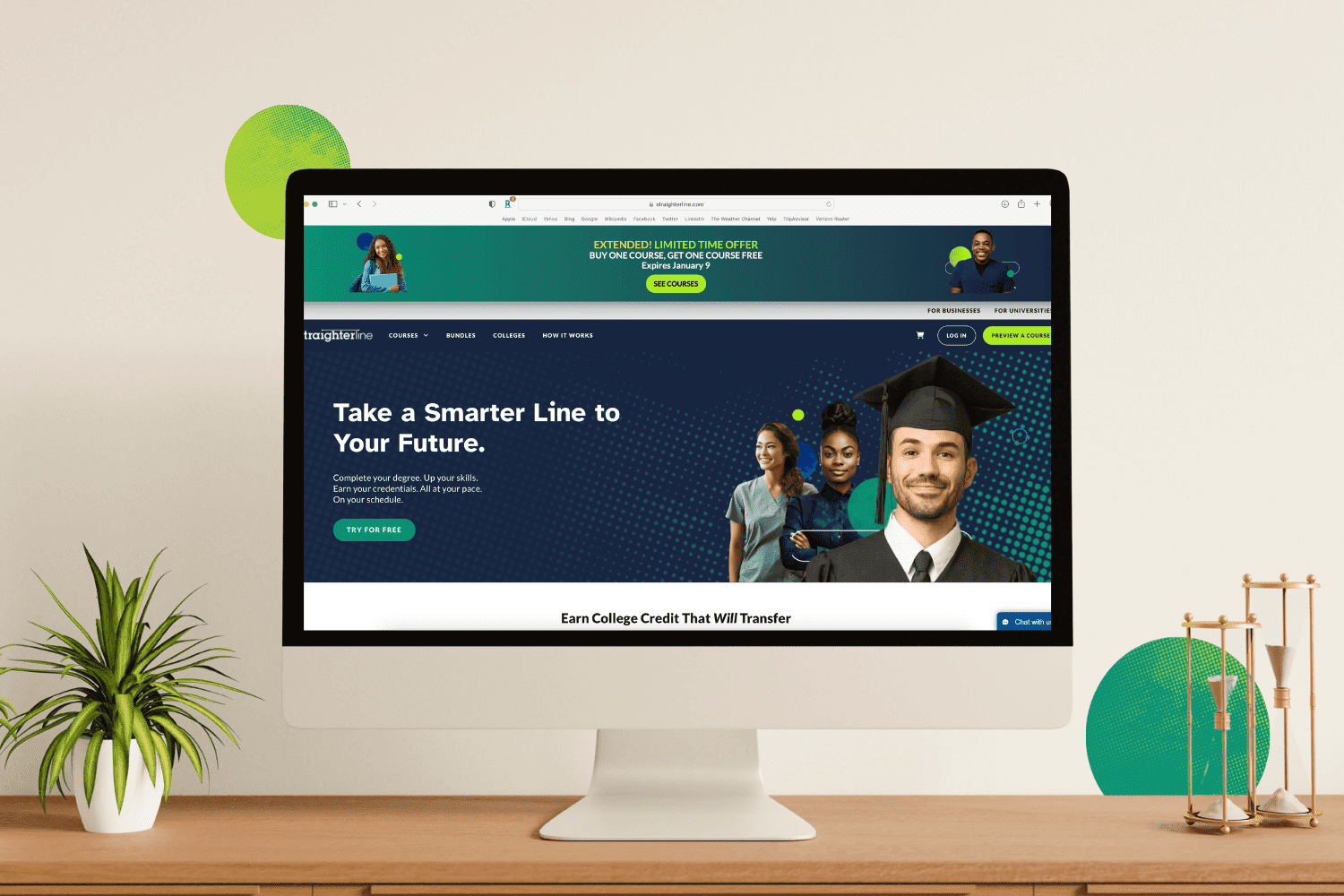
For students looking for a flexible way to keep making progress while figuring out their next move, StraighterLine offers self-paced online general education courses that are accepted for credit transfer at 3,000+ colleges and universities. Before enrolling, confirm with your school that a specific course will transfer and apply toward your intended degree.
This approach can help you keep earning eligible credits without rushing into major-specific coursework before you're confident about your direction.
Use the Find Your College tool to check if your school accepts StraighterLine credits.

4. Check Financial Aid Implications
Changing majors may also affect your financial aid. Federal aid eligibility can be influenced by factors such as satisfactory academic progress and the amount of time you're taking to complete your degree. Scholarships and institutional aid may also have their own requirements.
Before changing majors, contact your school's financial aid office and ask whether the switch could affect your current or future aid.
5. Create a New Graduation Plan
Once you know which credits count, map out your remaining courses semester by semester.
Ask:
How many courses do I have left?
Are there prerequisites I need to complete first?
Are certain courses only offered once a year?
Can I take summer or online courses?
What's my new expected graduation date?
How much will the remaining degree cost?
Turning your new major into a concrete plan makes it much easier to understand the real impact of switching.
When Is the Best Time to Change Your Major?
Generally, the earlier you change majors, the easier it is to minimize the impact on your graduation timeline.
Students in their first year or two often have more flexibility because they're still completing general education and introductory requirements. But that doesn't mean it's automatically "too late" if you're further along.
If you're considering changing majors later in college, the decision becomes more about trade-offs. You may need to weigh additional time and cost against your interest in the new field and your long-term goals.
Instead of asking, "Is it too late?" ask:
"What will it take to finish from here?"
Once you know the answer, you can make an informed decision.
Should You Change Your Major?
Changing majors is a personal decision, and there's no single right answer.
It may be worth exploring a change if:
You've discovered a field that better matches your interests
Your career goals have changed
You consistently dislike your major-specific coursework
Another program better supports the career you want
Your current major no longer makes sense financially or professionally
At the same time, switching majors isn't the only option. Depending on your goals, you might be able to add a minor, choose different electives, pursue a certificate, or use your current degree to enter a different career field.
Before making a decision, consider both your academic progress and your future goals.
Frequently Asked Questions About Changing Majors
What happens if you change majors?
When you change majors, your college typically evaluates your completed credits against your new degree requirements. Some credits may fulfill general education, elective, or new major requirements, while others may no longer apply toward graduation.
Do you lose credits when you change majors?
Usually, completed courses remain on your transcript. However, some credits may no longer satisfy requirements for your new major. They may count as electives instead, or may not contribute toward the credits you need to graduate.
How many times can you change your major?
Policies vary by college. Some schools don't set a specific limit, while individual programs may have their own restrictions. Multiple changes can also increase the number of courses you need to complete.
Does changing your major affect financial aid?
It can. Changing majors may affect your degree timeline, satisfactory academic progress, or eligibility for certain scholarships and institutional aid. Check with your school's financial aid office before making the change.
Will changing majors make me graduate late?
Not necessarily. If you change majors early or move to a program with overlapping requirements, you may still graduate on schedule. A larger change later in your degree could add courses or semesters.
StraighterLine Helps You Stay On Track
If changing majors leaves you with new general education requirements or you're looking for a flexible way to make up eligible credits without adding unnecessary cost, explore StraighterLine's online course catalog.
With affordable, self-paced courses accepted at 3,000+ colleges and universities, StraighterLine can help you tackle eligible requirements on your schedule and keep moving toward graduation — even when your destination changes.