





If you're wondering how to pay for college without loans, the good news is that borrowing isn't your only option. Scholarships, grants, employer benefits, part-time work, and lower-cost ways to earn college credit can all help reduce how much you need to pay out of pocket — or borrow.
For many students, the most realistic approach isn't finding one source that covers the entire cost. It's combining several strategies to create a college funding plan that works for your budget and your life.
And the earlier you start planning, the more options you may have.
Can You Pay for College Without Student Loans?
Yes, it’s possible to pay for college without student loans, but your options depend on factors like your financial situation, school, degree program, available aid, and how much you can contribute toward your education.
The key is to think about college costs from two directions:
Find money you don't have to repay, such as scholarships and grants
Reduce how much your degree costs in the first place, such as choosing a more affordable school or completing eligible credits at a lower cost
The less you need to spend, the less money you need to find.
Here are seven strategies that can help.
1. Apply for Scholarships
Scholarships are one of the best places to start because they generally don't need to be repaid.
And scholarships aren't limited to incoming freshmen with perfect GPAs. Opportunities may be available based on:
Academic achievement
Financial need
Community involvement
Career interests
Field of study
Military affiliation
Employer or professional organization membership
Local community involvement
Look beyond large national scholarships, too. Local nonprofits, community organizations, foundations, and businesses may offer smaller awards with fewer applicants. Even a few $500 or $1,000 scholarships can make a meaningful difference when you're trying to cover books, fees, or tuition.
Tip: Don't stop applying once you've started college. Scholarship opportunities may be available throughout your educational journey.
2. Look for Grants
Like scholarships, grants typically don't need to be repaid as long as you meet their requirements. Federal and state governments, colleges, and private organizations may offer grants based on financial need or other eligibility criteria.
A good starting point is completing the Free Application for Federal Student Aid (FAFSA). Schools use FAFSA information to determine eligibility for certain types of federal, state, and institutional financial aid. Even if you don't plan to take out federal student loans, completing the FAFSA can still be important because it may help you qualify for aid you don't have to repay.
Pay close attention to application deadlines. Some aid is limited, so submitting required materials early can matter.
3. Use Employer Tuition Assistance
If you're working while earning your degree, check whether your employer offers education benefits.
Depending on the company, benefits may include:
Tuition reimbursement
Upfront tuition assistance
Scholarships
Education stipends
Partnerships with specific colleges
Assistance with books or fees
Some programs require your coursework to relate to your current job, while others cover a broader range of degree programs.
Before enrolling, review your employer's eligibility requirements carefully. You may need to maintain a certain grade, work a minimum number of hours, or stay with the company for a specified period.
4. Work While You're in College
A part-time job won't necessarily cover the full cost of college, but it can help you pay for everyday expenses without borrowing.
Income from work could go toward:
Textbooks
Transportation
Groceries
Technology
Course fees
A portion of tuition
If you're eligible, Federal Work-Study may also provide an opportunity to earn money through part-time employment while enrolled.
The challenge is finding a balance. Working so many hours that your academics suffer can ultimately cost you more if you need to repeat courses or delay graduation. Build a schedule that's sustainable for both your finances and your education.
5. Lower the Cost of College Before You Enroll
When you're figuring out how to pay for college without loans, don't focus exclusively on finding more money. Look for ways to lower the amount you need in the first place.
For example, you might:
Attend an in-state public institution
Live at home instead of on campus
Compare financial aid offers based on net price, not sticker price
Start at a community college before transferring
Complete eligible general education requirements through a lower-cost online provider, like StraighterLine
Use previously earned credits when possible
Explore credit for prior learning if your college offers it
This is also where planning your transfer credits can make a meaningful difference.
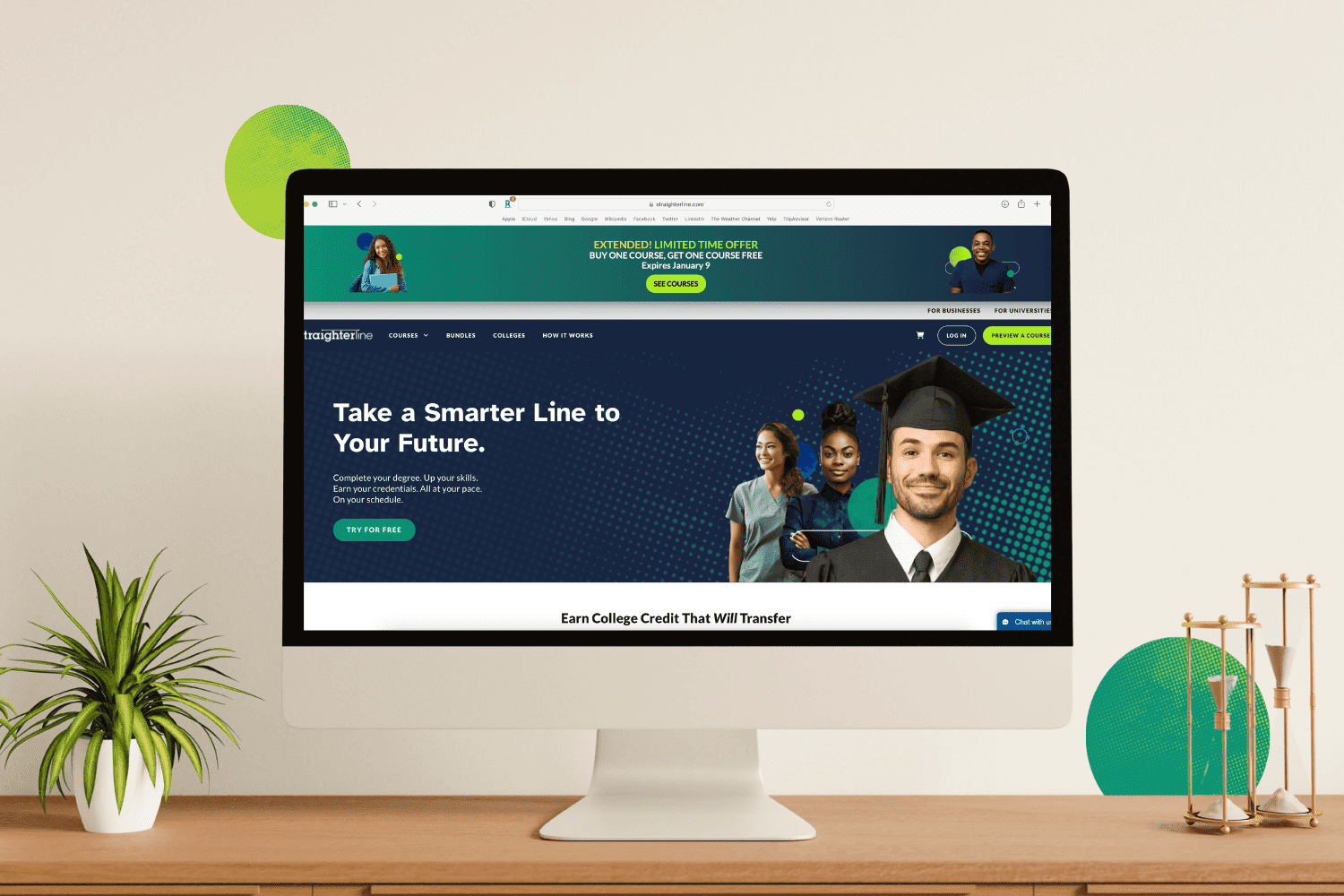
For example, StraighterLine offers self-paced online college courses designed to provide a more affordable way to complete many common general education requirements.
If your college is one of the 3,000+ institutions that accept StraighterLine transfer credits, completing eligible courses at a lower cost with StraighterLine can reduce the amount of tuition you have to pay.
Use our Find Your College tool to see if your school accepts StraighterLine credits.
The important part is confirming with your school before enrolling that a course will transfer and apply toward your specific degree.

6. Create a College Payment Plan
You may not need to pay an entire semester's tuition at once. Many colleges offer tuition payment plans that divide your bill into smaller payments throughout the semester or academic year. A payment plan doesn't reduce the cost of college, but it can make that cost easier to manage using current income rather than borrowing a lump sum.
Before signing up, check for:
Enrollment fees
Late-payment fees
Automatic payment requirements
Payment deadlines
What happens if you miss a payment
Then incorporate those payments into your monthly college budget.
7. Combine Multiple Ways to Pay
For most students, learning how to pay for college without loans isn't about finding one perfect solution — it's about stacking several.
Imagine that your remaining college costs for the year are $12,000 after other aid. Instead of borrowing the full amount, your strategy might include:
Funding Strategy | Amount |
Scholarships and grants | $4,000 |
Employer tuition assistance | $2,500 |
Part-time work | $2,000 |
Savings | $1,500 |
Reduced course costs | $2,000 |
Total | $12,000 |
Your actual numbers will look different, but the strategy is the same: reduce the cost, find money you don't have to repay, and then determine what you can reasonably cover yourself.
What If You Can't Pay for College Without Loans?
Sometimes scholarships, grants, savings, and income still aren't enough to cover the full cost. That doesn't mean you've failed at your plan.
Instead, look closely at the remaining gap before deciding what to do next.
Ask yourself:
Can I reduce my housing or transportation costs?
Are there additional scholarships I haven't applied for?
Could employer benefits cover part of my tuition?
Can I complete eligible requirements more affordably elsewhere?
Would attending part-time make costs more manageable?
Is another college offering a better overall financial aid package?
If borrowing is ultimately necessary, reducing the amount you need to borrow can still make a significant difference.
How to Avoid Taking on More College Debt Than You Need
Paying for college isn't just about getting through the next semester. Consider how today's financial decisions may affect you after graduation.Before borrowing, understand the total amount you'll owe, the interest rate, repayment terms, and your expected monthly payment.
It's also worth comparing the total cost of earning your degree, rather than simply comparing tuition rates. A school with lower tuition could ultimately cost more if you lose transfer credits, need additional semesters, or face higher living expenses.
Likewise, finding lower-cost ways to complete eligible courses can create savings that add up over the course of a degree.
Frequently Asked Questions About How to Pay for College Without Loans
Is it possible to go to college without student loans?
Yes. Some students pay for college using a combination of scholarships, grants, savings, employment income, employer tuition benefits, and lower-cost education options. Whether you can completely avoid loans depends on your individual costs and available resources.
Can FAFSA help me pay for college without loans?
Yes. Completing the FAFSA isn't only about student loans. Your FAFSA information may also be used to determine eligibility for grants, work-study, and other forms of financial aid.
What is the best way to pay for college without loans?
There's no single best strategy for everyone. Start by pursuing scholarships and grants, then explore employer benefits and ways to reduce your overall college costs. Combining several approaches is often more realistic than relying on one.
How can I reduce the amount I need to pay for college?
Compare schools based on net price, consider lower-cost housing options, apply for financial aid, and explore whether you can complete eligible college credits at a lower cost and transfer them into your degree program.
Should I work while attending college?
Working can help cover college and living expenses, but your schedule should leave enough time to succeed academically. Consider flexible or part-time work that fits around your coursework.
Make Your Degree Cost Less From the Start
Learning how to pay for college without loans isn't only about finding enough money to cover a high tuition bill. One of the most effective strategies is finding ways to make the bill smaller in the first place.
That could mean applying for more scholarships, using benefits you've already earned through work, choosing a more affordable path, or completing eligible college courses for less before transferring them into your degree.
With affordable, self-paced courses that transfer to 3,000+ colleges and universities, StraighterLine can help you tackle eligible degree requirements at a lower cost — giving you another way to make progress without automatically turning to student loans.
If reducing the cost of earning your degree is part of your plan, explore StraighterLine's online course catalog to get started.