





Thinking about going back to college as an adult? You’re not alone. Whether you want to finish what you started, qualify for a promotion, switch careers, or simply prove to yourself that you can do it, returning to college can open real doors.
But before you apply, enroll, or commit financially, pause.
The smartest adult learners don’t just jump in. They ask the right questions first.
Here, you’ll find the top 10 questions to ask before going back to college so you can move forward with clarity, confidence, and a plan.
TL;DR: The Right Questions Make All the Difference
Before going back to college as an adult, ask yourself a few critical questions:
What outcome am I really pursuing?
Do I need a full degree or just specific credits?
How will I balance time, cost, and family responsibilities?
Will my employer help?
And are the program and credits aligned with my long-term career goals?
When you answer those upfront, you can choose a path that fits your life, protects your budget, and actually moves you forward
1. What Outcome Am I Hoping For?
Be specific about the result you want before you choose the path to get there.
“Going back to college” isn’t the goal. The outcome is.
Are you:
Trying to qualify for a promotion?
Switching industries entirely?
Finishing a degree you paused years ago?
Increasing earning potential?
Building confidence or credibility?
Clarity here prevents wasted time and money. For example, if you only need 12 credits to finish your bachelor’s degree, you don’t need to start from scratch. If your goal is a salary bump, research whether your industry requires a full degree or just certain certifications.
When you define the destination, the route becomes easier to map.
2. Do I Need a Full Degree, or Just Specific Courses?
Not every career move requires a brand-new degree program.
Many adults assume they need to enroll in a traditional, multi-year program. Sometimes that’s true. Often, it’s not.
You may only need:
Prerequisite courses
General education credits
A specific certification
Transfer credits to complete a degree
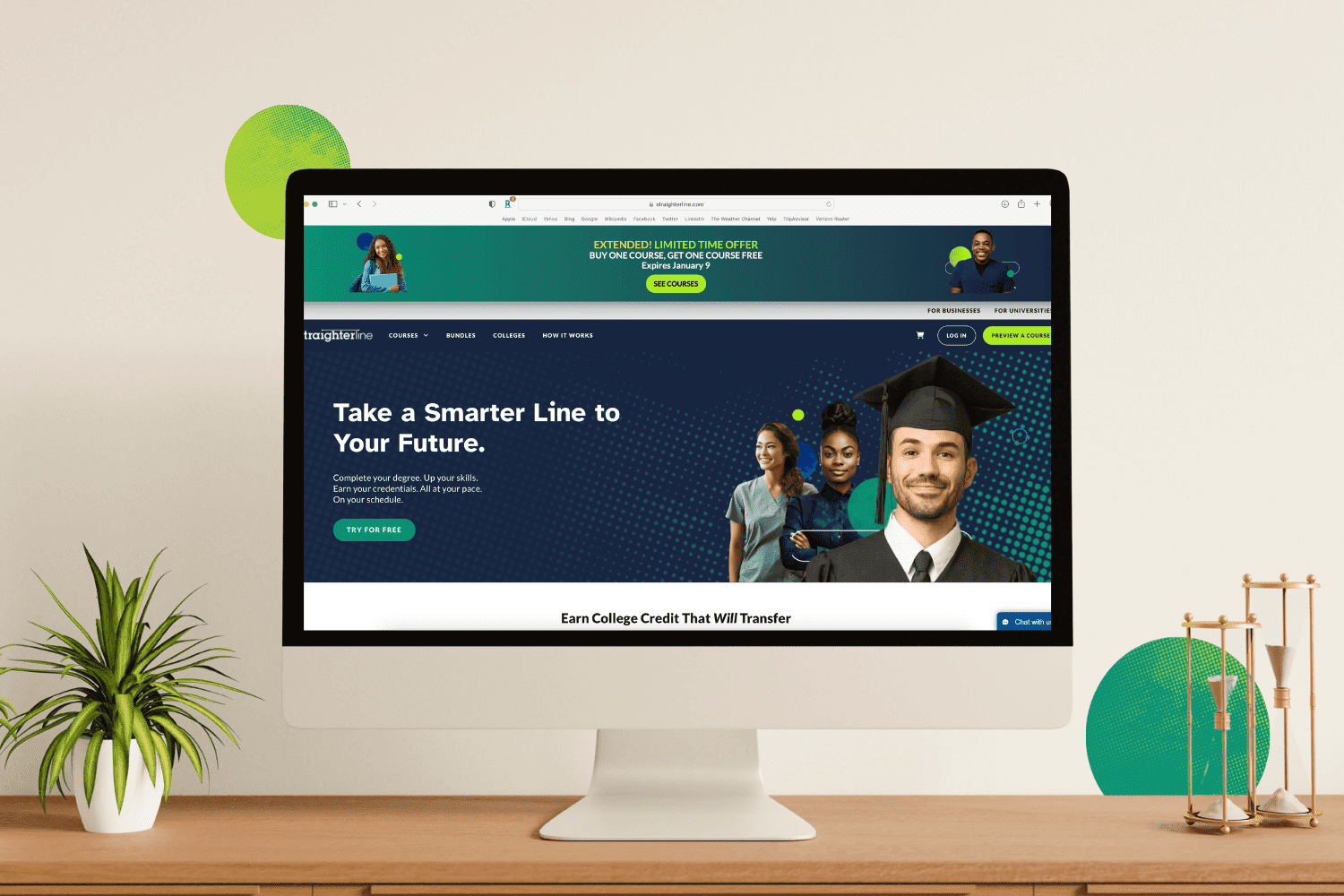
This is where flexibility matters. Many adult learners choose to complete affordable, transferable general education courses before enrolling in a degree program. Platforms like StraighterLine allow you to take online courses that transfer to many partner colleges, helping you save both time and tuition costs.
Before committing to a university, ask: Can I complete some credits faster and more affordably first?

3. How Much Time Can I Realistically Commit?
Your schedule determines your success more than your motivation does.
Adult learners juggle work, family, finances, and life responsibilities. Overestimating your available time is one of the most common reasons adults stall out.
Be honest:
Can you study 10–15 hours per week?
Are evenings realistic?
Will weekends be your main study time?
Is asynchronous learning better than live classes?
Online, self-paced courses tend to work best for working adults because they remove rigid schedules. If flexibility is critical, prioritize programs that allow you to move at your own speed.
It’s better to start with one course and finish strong than overload yourself and burn out.
4. How Will I Pay for School?
Affordability should be part of your strategy, not an afterthought.
Tuition is one of the biggest barriers for adult learners, but it doesn’t have to stop you.
Consider:
Employer tuition reimbursement
Scholarships for adult learners
Federal financial aid
Payment plans
Lower-cost transferable credits
One practical approach many adults use is completing general education requirements through lower-cost providers before transferring into a degree program. StraighterLine courses, for example, are designed to reduce the overall cost of earning a degree while still maintaining accreditation and transfer pathways.
Ask yourself: What’s the most cost-effective route to my goal?
Because saving thousands on foundational credits can significantly reduce long-term student debt.
5. Will My Employer Support My Education?
Many employers offer tuition assistance, but you have to ask.
If you’re currently employed, check your company’s HR policy. You may have access to:
Tuition reimbursement
Professional development funds
Flexible scheduling
Adjusted workloads during exam periods
Frame the conversation around mutual benefit. Explain how your education will strengthen your performance, leadership potential, or value to the organization.
Even partial reimbursement can make a major difference.
6. What Learning Format Works Best for My Life?
The “right” program is the one that fits your real life, not your ideal life.
There are more options today than ever before:
In-person classes
Fully online programs
Hybrid formats
Self-paced courses
Term-based structured schedules
If you thrive on structure and deadlines, scheduled terms may work best. If your work schedule shifts weekly, asynchronous, self-paced learning might be the better fit.
Many adult learners choose online, flexible coursework because it eliminates commuting, rigid class times, and unnecessary delays. That flexibility is often the difference between finishing and quitting.
Choose convenience without sacrificing quality.
7. Will My Credits Transfer?
Accreditation and transfer policies matter more than marketing promises.
Before enrolling in any course or program, verify:
Is the institution accredited?
Will the credits transfer to your intended college?
Are there articulation agreements in place?
Is there written confirmation of transfer eligibility?
If you’re completing courses before transferring into a university, make sure the pathway is clear.
StraighterLine partners with a large network of colleges and universities, which helps simplify the transfer process for students who want to complete affordable general education credits first. Still, it’s always smart to confirm directly with your target school.
A five-minute check can save months of frustration later.
8. What Support Systems Will I Need?
Returning to school is easier when you build support before you need it.
Support looks different for everyone. You may need:
Childcare coordination
A dedicated study space
A weekly study schedule
Accountability from a partner or friend
Academic tutoring resources
Online programs often provide academic support, tutoring access, and student communities. Take advantage of those resources early.
Tell your family your plan. Set expectations. Protect study time on your calendar.
Success is rarely solo.
9. How Long Will It Actually Take Me to Finish?
Your timeline should match your life stage and urgency.
Some people want to finish as quickly as possible. Others prefer a slower, manageable pace.
Ask:
How many credits do I already have?
How many can I realistically complete per term?
Are accelerated or self-paced options available?
Can I complete some requirements ahead of formal enrollment?
Flexible, self-paced courses allow motivated learners to move quickly, sometimes completing courses in weeks rather than months. That can dramatically shorten the path to graduation when used strategically.
The key is balancing speed with sustainability.
10. Is This Degree Aligned With Long-Term Career Demand?
Choose a path that supports where the job market is headed, not just where it’s been.
Before committing to a field of study, research:
Industry growth projections
Required credentials
Salary expectations
Advancement opportunities
The Bureau of Labor Statistics and industry reports are great starting points. If your goal is financial growth or career mobility, ensure your program aligns with market demand.
Education is an investment. Make sure the return makes sense.
Ready to Take the First Step?
Going back to college as an adult isn’t just about earning credits. It’s about creating options.
When you ask the right questions upfront, you avoid wasted time, unnecessary debt, and frustration. You build a plan that fits your schedule, your budget, and your long-term goals.
If flexibility, affordability, and speed matter to you, StraighterLine can help you start strong. With self-paced, online, accredited courses designed to transfer to many colleges and universities, you can complete general education requirements on your timeline and reduce the overall cost of your degree.
You don’t have to pause your career to move forward.
You don’t have to take on unnecessary debt to earn a degree.
And you don’t have to wait for the “perfect time” to start.
Explore StraighterLine’s courses today and take the first step toward finishing what you started or building what’s next.
FAQs
Is going back to college worth it as an adult?
Going back to college can open doors to higher earning potential, career advancement, and new opportunities. The key is choosing a flexible, affordable path that fits your schedule and long-term goals.
How can I afford going back to college?
Many adults lower costs by starting with affordable online courses, transferring credits, exploring employer tuition benefits, and setting up payment plans. Asking about total program cost upfront can help you avoid surprises.
Can I work full-time while going back to college?
Yes. Many online programs are designed for working adults, offering self-paced courses and flexible schedules so you can balance school with work and family responsibilities.
Will my previous college credits transfer?
In many cases, yes — but policies vary by institution. Before enrolling, ask how your past credits will be evaluated and whether additional transfer credits can help you graduate faster.