




Going to college as an adult? The process can be exciting, but also overwhelming. Especially when it comes to cost. Whether you're changing careers, finishing a degree, or renewing your skills for a promotion, understanding financial aid for adult learners is key to bringing adult education within reach.
The good news: there’s no age limit on most types of financial aid. Adult learners have access to many of the same funding opportunities as traditional students, along with some options designed specifically for working adults and nontraditional students.
This guide walks through how financial aid works, the types available to adult learners, and the best resources to help you pay for college in 2026.
What Is Financial Aid for Adult Learners?
When we explore financial aid for adult learners, we’re considering all kinds of grants, scholarships, loans, work-study programs, and employer-sponsored education benefits that help cover the cost of college or career training.
Unlike what many people assume, financial aid isn’t just for recent high school graduates. Millions of adults return to school every year, and many qualify for meaningful support. This is especially true if they demonstrate financial need.
Can Adults Get Financial Aid?
Definitely! Adults can qualify for financial aid at any age.
Federal student aid programs in the U.S. do not have an upper age limit. As long as you meet basic eligibility requirements such as being enrolled in an eligible program and completing the FAFSA, you can apply for grants, loans, and other funding.
In fact, adult learners often qualify for more need-based aid, particularly if they are financially independent or supporting a family.
Types of Financial Aid Available to Adults
Understanding the different types of financial aid for adult learners is the first step in building a strategy to pay for your college education. Most adult learners use a combination of options rather than relying on a single source.
Grants: Free Money Based on Need
Grants are typically awarded based on financial need and do not need to be repaid.
The most common example is the Federal Pell Grant, which can provide up to several thousand dollars per year depending on your income and enrollment status. Many states also offer their own grant programs for residents, and some are specifically designed for adult learners or career changers.
For adults returning to school, grants are often the foundation of a financial aid package because they reduce the need to borrow.
Scholarships: Flexible Funding for Many Backgrounds
Scholarships are another form of free money, but they’re usually awarded based on a broader range of criteria. That can include academic achievement, career goals, life experience, or demographic background.
Adult learners should pay particular attention to scholarships aimed at:
Women returning to school
Parents or caregivers
Career changers
First-generation college students
Unlike grants, scholarships are widely available through private organizations, nonprofits, and professional associations.
Federal Student Loans: Structured Borrowing Options
Loans can help bridge the gap between what you can afford and what your education costs. Federal student loans often come with lower interest rates and more flexible repayment options than private loans.
For adult learners, options like income-driven repayment plans can make borrowing more manageable over time. Still, loans should be used strategically, ideally after maximizing grants and scholarships.
Work-Study Programs: Earn While You Learn
Federal work-study programs allow students to earn money through part-time jobs while enrolled in school. These roles are often flexible and designed to fit around class schedules.
While not every adult learner uses work-study, it can be a helpful option if you're looking to reduce out-of-pocket costs without taking on additional debt.
Employer Tuition Assistance: A Major Opportunity
One of the most overlooked resources for adult learners is employer-sponsored education benefits.
Many companies offer tuition reimbursement or direct payment programs to support employees pursuing degrees or certifications. Some employers cover thousands of dollars per year in education expenses, especially if the program aligns with your role or career path.
If you’re currently working, it’s worth checking with your HR department before applying elsewhere for funding.
Tax Credits: Savings at Filing Time
Education-related tax credits can also reduce the overall cost of returning to school.
Programs like the Lifetime Learning Credit allow eligible students to claim a portion of tuition and related expenses on their tax return. While this doesn’t provide upfront funding, it can significantly offset costs over time.
Best Financial Aid Resources for Adult Learners
Below are some of the most useful platforms and programs for finding financial aid. This builds on the original list, but adds more context so you can decide where to focus your time.
Scholarship Databases
Websites like Scholarships.com and the College Board Scholarship Search remain some of the most widely used tools. They allow you to filter opportunities based on your background, goals, and eligibility.
These platforms are a good starting point if you’re unsure what you qualify for, but they work best when used consistently over time.
Adult-Specific Scholarship Programs
Some organizations focus specifically on helping adults return to school.
Programs like the Jeannette Rankin Women’s Scholarship Fund and the Patsy Takemoto Mink Education Foundation provide financial support to women with financial need. Other initiatives, such as the Adult Students in Scholastic Transition (ASIST) scholarship, are designed for nontraditional students balancing multiple responsibilities.
These targeted opportunities are often less competitive than general scholarships, making them especially valuable.
Government Resources
The most important starting point for federal aid is the Free Application for Federal Student Aid (FAFSA).
Completing the FAFSA determines your eligibility for:
Pell Grants
Federal student loans
Work-study programs
Many states also use FAFSA data to award their own aid, so submitting it early can increase your chances of receiving more funding.
The U.S. Government’s Student Aid website provides important federal aid information for prospective, current, and past students and their supporters. Consider this your one-stop-shop for FAFSA answers: you can find forms, deadlines, information about required loan counseling, and more here.
Local and State Programs
State-based grants and workforce development programs can provide additional support, especially for adults entering high-demand fields.
Some regions also offer initiatives similar to programs like Compete LA, which aim to help adult learners complete degrees or return to school after time away.
Additional Financial Aid Resources Worth Exploring
Beyond major scholarship databases and federal aid, there are several other platforms that can help adult learners uncover funding opportunities.
Fastweb helps match students with scholarships based on their profile and is especially useful for ongoing scholarship searches throughout the year.
FinAid.org offers detailed guidance on financial aid planning, loan options, and budgeting for college — making it a strong educational resource alongside funding tools.
The American Association of University Women (AAUW) provides grants and fellowships specifically for women pursuing higher education at various stages of life.
GoGrad focuses on graduate-level funding and includes curated scholarship lists that can be helpful for adults continuing beyond a bachelor’s degree.
Scholarship America administers a wide range of scholarship programs, including employer-sponsored opportunities and need-based awards.
These platforms work best when used consistently, as new opportunities are added throughout the year.
How to Apply for Financial Aid as an Adult
If you’re returning to school after a break, the process can feel unfamiliar. Breaking it into steps makes it more manageable.
Start by completing the FAFSA as early as possible. This unlocks access to federal and many state aid programs. From there, build out your funding strategy by searching for scholarships and checking whether your employer offers education benefits.
Once you’ve been accepted into a program, review your financial aid offers carefully. Compare how much aid is free versus how much requires repayment, and look at the total cost over time — not just the immediate price.
How to Maximize Financial Aid
Getting financial aid is one thing. Maximizing it is another.
Adult learners often benefit from combining multiple sources of funding. For example, you might use a Pell Grant alongside employer tuition assistance and a small scholarship to significantly reduce out-of-pocket costs.
Applying early can also make a meaningful difference, since some aid is awarded on a first-come, first-served basis. Beyond that, consider how your enrollment choices affect cost. Attending part-time, choosing flexible programs, or completing lower-cost courses first can all help stretch your budget further.
A Smarter Way to Reduce Costs
Financial aid is only part of the equation. Reducing the total cost of your education can be just as important as finding funding.
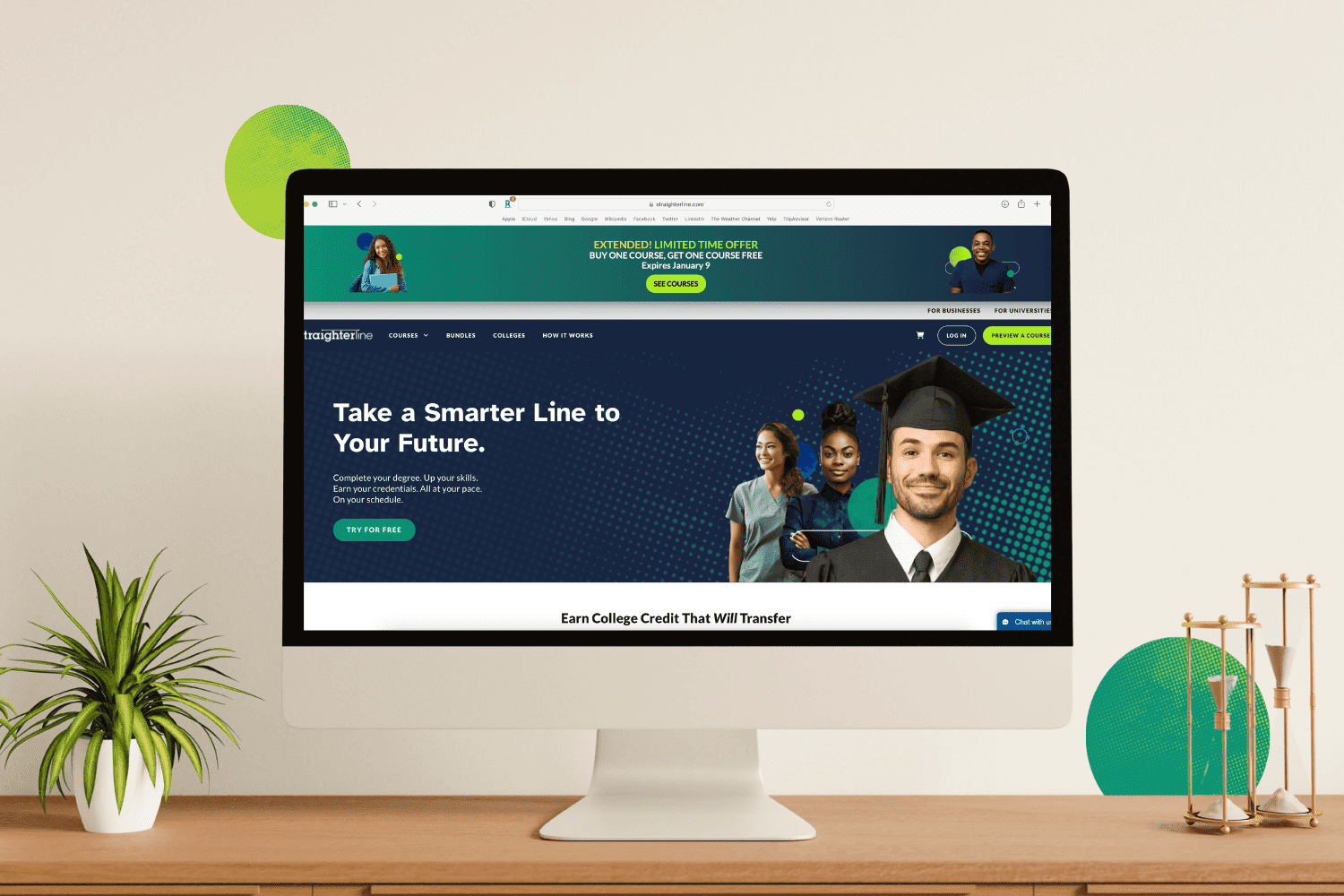
That’s where options like StraighterLine come in. By completing affordable, flexible online courses that transfer to many colleges, you can lower the number of credits you need to take directly with your school, and at higher tuition rates. For many adult learners, this means less borrowing and faster progress toward a degree.
Explore our catalog of 80+ ACE-recommended courses
Save Thousands on College Tuition with StraighterLine
Paying for college may seem complicated at first, but financial aid for adult learners is more accessible than many people expect! With the right approach, it’s possible to make use of grants, scholarships, employer support, and cost-saving strategies to make your education affordable.
The key is to think beyond a single resource and build a plan. Start with FAFSA, explore targeted opportunities for adult learners, and look for ways to reduce overall costs. With a clear strategy, returning to school becomes not just possible — but practical.
Want to get started on your path to a degree?
Check out our courses or get in touch with an Enrollment Specialist to learn how StraighterLine can help you earn college credit and save big on your degree.
FAQs
Can adults qualify for FAFSA?
Yes. There is no age limit for federal student aid. As long as you meet eligibility requirements, you can complete the FAFSA and apply for funding.
What is the best financial aid for adult learners?
Grants and scholarships are typically the best options because they don’t require repayment. Many adult learners combine these with employer tuition assistance for maximum impact.
Are there scholarships specifically for adults?
Yes. Many scholarships are designed for nontraditional students, including working adults, parents, and career changers.
How can I pay for college while working full-time?
Many adult learners combine financial aid with employer tuition benefits, part-time enrollment, and flexible online courses to balance work and school.