





Thinking about going back to school as an adult? You’re not alone. Millions of adults return to school every year, and they’re doing it for all kinds of reasons: career growth, higher pay, personal fulfillment, or simply finishing what they started.
If you’re wondering whether it’s “too late,” whether you’ll have time, or whether it’s even worth it — take a breath. Going back to college as an adult is absolutely possible, and with the right approach, it can be one of the most rewarding decisions you’ll ever make.
This guide breaks down how to go back to college as an adult, step by step, with practical advice to help you balance school with work, family, and real life — without burning out.
Why More Adults Are Going Back to College
Adult learners are one of the fastest-growing groups in higher education — and for good reason.
Many adults return to school to:
Advance in their current career or qualify for promotions
Change careers or move into a new industry
Increase earning potential and long-term job security
Complete a degree they paused years ago
Set an example for their children or prove something to themselves
Education has changed, too. Flexible online learning, transfer-friendly programs, and affordable credit options make it easier than ever to fit college into a busy life.
Bottom line: going back to college isn’t about starting over. It’s about moving forward with intention.
Step 1: Define Your “Why” Before You Enroll
Before you start researching schools or filling out applications, get clear on why you want to go back to college.
Ask yourself:
What do I want to change about my career or life?
What opportunities do I feel blocked from right now?
What would success look like in two, five, or ten years?
Your “why” doesn’t have to be perfect — it just has to be honest. Writing it down can help you stay motivated when life gets busy (because it will).
This clarity will guide every decision you make, from choosing a program to deciding how many classes to take at once.
Step 2: Choose the Right College Path for Your Life
Not all college paths are created equal — especially for adult learners. The “best” option is the one that fits your schedule, responsibilities, and goals.
Online vs. In-Person Learning
Many adults choose online learning because it offers:
Flexible scheduling
The ability to study from anywhere, asynchronously
Fewer disruptions to work and family life
That said, some learners thrive in in-person or hybrid environments. The key is choosing what works for you now, not what worked for you ten years ago.
Full-Time vs. Part-Time Enrollment
You don’t have to go full-time to make progress. Part-time enrollment allows many adults to:
Stay employed
Manage family responsibilities
Avoid burnout
Progress is progress — even one course at a time moves you closer to your goal.
Transfer-Friendly Programs Can Save You Time and Money
One of the smartest moves adult learners can make is choosing a path that helps them to earn college credit affordably before enrolling in a degree program.
That’s where flexible, transfer-friendly courses come in.
Many adults use self-paced online courses to:
Earn general education credits on their own schedule
Lower the total cost of their degree
Reduce the number of courses they need to take at a higher tuition rate
For busy adults juggling work and family, this approach can be a game changer — helping you move forward without putting your life on pause.
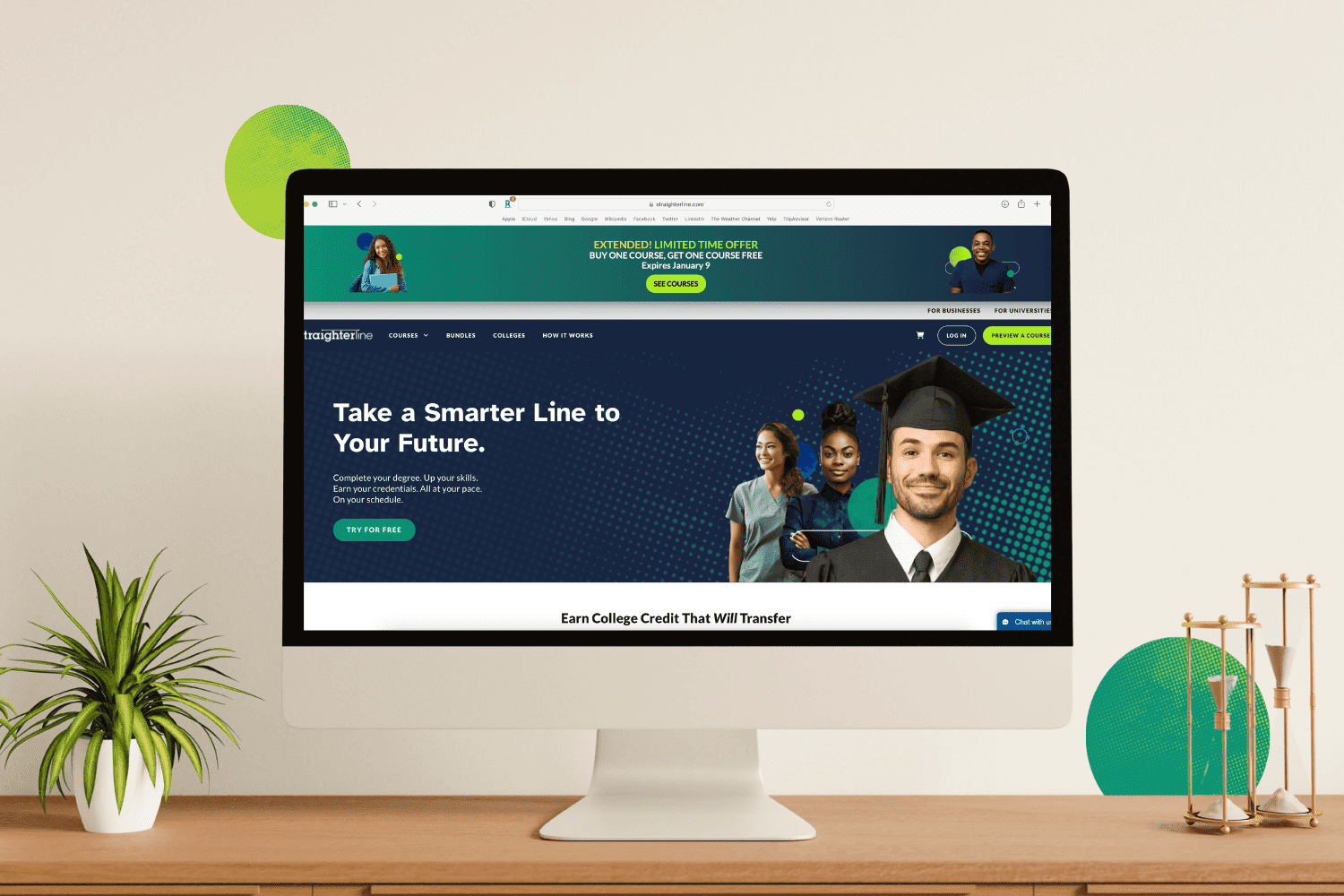
Programs like StraighterLine are designed specifically for this moment: giving you a faster, more affordable way to earn college credit that transfers to hundreds of partner colleges and universities. You stay in control of your pace, your schedule, and your budget — without sacrificing academic quality.
Step 3: Understand the True Cost, and How to Reduce It
Finances are one of the biggest concerns for adults going back to college — and rightfully so. The good news? You likely have more options than you think.
Start With Financial Aid
Filling out the FAFSA can unlock:
Federal grants
Student loans
Work-study opportunities
Many adults assume they won’t qualify — but eligibility depends on several factors, not just income.
Look for Adult Learner Scholarships
There are scholarships specifically designed for:
Working adults
Career changers
Parents returning to school
These can significantly reduce out-of-pocket costs.
Check Employer Tuition Benefits
Some employers offer tuition reimbursement or education benefits — even for part-time employees. It’s worth asking.
Reduce Costs Without Slowing Down
Going back to college doesn’t have to mean taking on more debt than necessary.
One effective strategy many adult learners use is completing transferable courses at a lower cost with StraighterLine before or during their degree program. By earning credits affordably, you can significantly reduce overall tuition — often saving thousands of dollars over the life of your degree.
Flexible, self-paced online courses allow you to:
Study when it works for you
Move faster through subjects you already know
Avoid paying premium tuition for introductory courses
This approach is especially helpful for adults who want to make steady progress without stretching their budget or extending their timeline.
Step 4: Balance School With Work, Family, and Real Life
This is where adult learners really shine — because you already know how to manage competing priorities.
Build a Realistic Weekly Schedule
Instead of asking, “When will I find time to study?” decide in advance when studying will happen.
Block time for:
Coursework
Family commitments
Work responsibilities
Treat study time like an appointment you can’t cancel.
Communicate With Your Support System
Let the people around you know:
Why you’re going back to school
What kind of support you need
When your busiest times will be
Support doesn’t always mean help with homework — sometimes it’s just understanding and encouragement.
Use Academic Support Early
Advisors, instructors, and tutoring services exist to help you succeed. Reaching out early can prevent small challenges from turning into major obstacles.
Step 5: Develop Study Habits That Actually Work
Studying as an adult looks different — and that’s a good thing.
Focus on Consistency Over Perfection
Short, focused study sessions done consistently are more effective than occasional marathon sessions.
Try:
Studying in 25–45 minute blocks
Reviewing material regularly instead of cramming
Studying at times when your energy is highest
Use Tools to Stay Organized
Planners, digital calendars, task apps, and reminders can help you:
Track deadlines
Break assignments into manageable steps
Reduce mental clutter
The goal isn’t to do more — it’s to work smarter.
Step 6: Expect Challenges (but Don’t Let Them Stop You)
Every adult learner faces challenges — time constraints, self-doubt, unexpected life events. What matters is how you respond to them.
When things feel hard:
Revisit your “why”
Adjust your schedule if needed
Ask for help sooner rather than later
Struggling doesn’t mean you don’t belong. It means you’re learning something new.
Step 7: Celebrate Progress Along the Way
Adult learners are notorious for minimizing their accomplishments. Don’t.
Celebrate:
Completing a course
Meeting a study goal
Sticking with it during a tough week
These wins build confidence, and confidence fuels momentum.
What Happens After You Finish?
Completing college isn’t just about earning a credential — it’s about creating options.
Graduates often experience:
Increased earning potential
Greater career flexibility
Improved job stability
A renewed sense of confidence
And for many adults, finishing a degree becomes proof that they can accomplish big goals at any stage in life.
Frequently Asked Questions About Going Back to College as an Adult
Is it ever too late to go back to college?
No. Colleges welcome students of all ages, and adult learners often bring valuable perspective, discipline, and motivation to their studies.
How do adults manage work and school at the same time?
With realistic schedules, flexible learning options, and clear priorities. You don’t need unlimited time — just a plan that fits your life.
Is going back to college worth it for adults?
For many adults, yes. Especially when education aligns with career goals and financial planning. The key is choosing the right path.
Can online college really work for adult learners?
Absolutely. Online learning offers flexibility, accessibility, and structure that works well for busy adults.
You’re More Ready Than You Think. Take the Next Step with StraighterLine
If you’re thinking about going back to college as an adult, the hardest part is often just getting started.
You don’t need to overhaul your life.
You don’t need to quit your job.
And you don’t need to commit to a traditional, expensive path right away.
Many adult learners begin by earning college credit in a way that fits their schedule, budget, and goals — building momentum before taking the next step.
StraighterLine helps make that possible.
With affordable, flexible, online courses designed to transfer, you can start working toward your degree on your terms — one course at a time, at your pace.
Check out our available courses to learn more.