




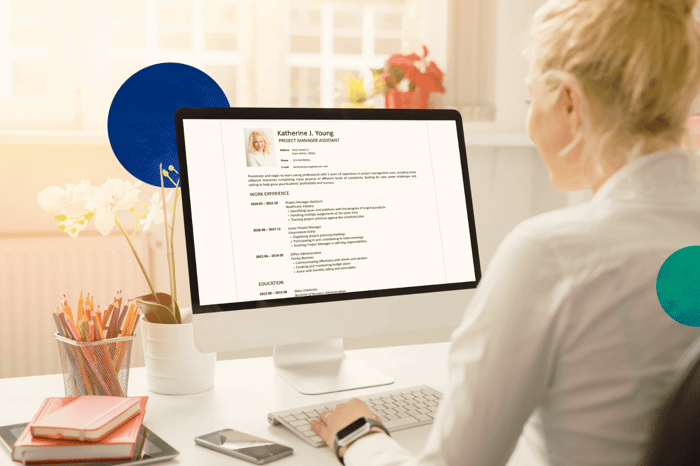
If you’re changing careers, you’ll need to make a case for your skills and your strengths to potential employers. A cover letter that lets you make that case in less than a page. What skills from your old career do you have that can be reframed to fit this new position? What experience makes you a strong candidate for this new career? Done correctly, a cover letter can convince a possible employer to call you in for an interview, even if you’ve never worked in their field.
Cover letters can be intimidating to write, however, and often when job posts don’t explicitly require one, job seekers might be tempted to skip the cover letter, opting for a simple resume. That not a good idea — you should always include one. A resume is a simple list of your previous positions and your education, but a good cover letter is an argument about why you’re the right fit for a job, and that’s an argument you need to make when you’re changing careers.
What Career Do You Want to Pursue?
You may be eager to get out of your current career, but before you can start writing your cover letter, know which career you’re making the switch to. You need to know what career you’re going into in order to write a cover letter that’s customized for that career switch (and tailored to the specific job and company you’re applying to.) If you’re not sure what you’d like to do, here are some tips for finding a career that’s right for you.
- Take a job quiz: The U.S. Department of Labor’s My Next Move is a good starting point.
- Really think about your goals: These questions will help you identify what’s important to you in a job.
- Examine your strengths: What skills do you have that will be a good fit for another job?
- Network: Now is the time to explore your network. Reach out to former bosses and coworkers. What are they doing now? Have any of them switched careers?
- Take a class: When you were in school, were there classes you wanted to take, but didn’t? Now is the time to explore them.
Once you know what you want to do, you can start creating your cover letter.
What are Your Transferable Skills?
Transferable skills, also sometimes called “portable” or “soft” skills, are skills that can be used across jobs and careers. Often these are skills that don’t apply to the content of your work, but instead apply to how you do a job. For example, a doctor’s medical knowledge isn’t transferrable, but their bedside manner — how they communicate with a patient — is. Skills like communication, time management, and grit can be developed and honed in any career, and employers are looking for job candidates with those skills. According to research from the World Economic Forum, the most sought-after soft skills right now are transferable:
- Analytical thinking
- Active learning
- Complex problem solving
- Creativity
- Initiative
- Leadership
Think about the skills you’ve gained during your and how they might apply to another career. How can you describe them so that you’ll appeal to a new employer in a new field?
- If you’ve developed grit in your current job as a salesperson, you may decide to work for a job that requires hard work and determination, such as nursing.
- If you’re a problem solver in your current job, you can apply those skills to a job as a developer, where you’ll be expected to debug code.
- If you’re in a management role in retail, where you’ve been developing leadership and initiative skills, you may want to move to another management role in an office environment.
Example Cover Letters for Career Changers
So, how can you get started?
When you start writing your cover letter, focus on your skills. What makes you a good candidate for this particular job and an asset to this specific company? What transferable skills do you bring to this job? What results have you been able to get for other employers?
Starting with a blank page can feel overwhelming, but strong cover letters tend to share a few key qualities. As you draft yours, focus on the following:
Highlight transferable skills
Show how your existing experience applies to the new role, even if you’re changing industries.Connect your skills directly to the job
Don’t just list abilities—explain how they make you effective in the position you’re applying for.Demonstrate knowledge of the company
Reference research, networking conversations, or specific company values to show genuine interest.Emphasize measurable results
Include achievements, recognitions, or outcomes that prove your impact in previous roles.Make your letter easy to scan
Use clear structure and, when appropriate, brief lists to highlight key strengths.Leverage non-traditional experience
Volunteer work, caregiving, or unpaid roles can demonstrate valuable, relevant skills.Show how your background supports your career transition
Clearly explain why you’re moving into a new field and how your past experience prepares you.Incorporate recent education or training
Highlight courses, certifications, or self-improvement efforts that strengthen your qualifications.Align your past experience with the new role
Draw clear parallels between what you’ve done and what you’ll be expected to do.Demonstrate initiative and growth
Mention steps you’re taking to build new skills or deepen your expertise.
Show you’re investing in yourself and your skills
Some of the best cover letters above show that the applicant is investing in themselves and their skills by taking a class or going back to school. They’ve chosen their career path, and they’re making an effort to learn about it before getting a job.
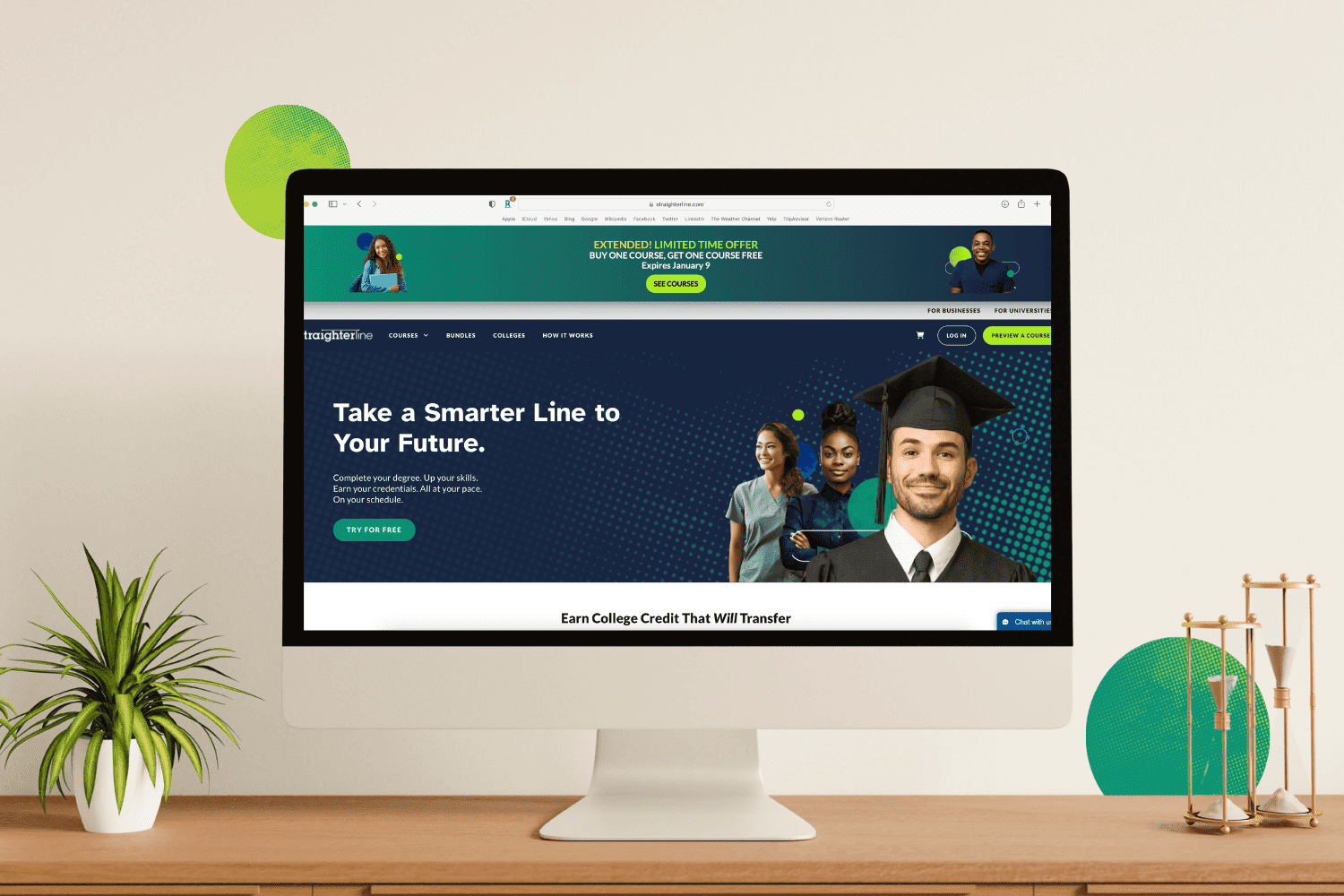
Taking a course, such as a psychology course, can help you improve your skills, get ready for a new job, and really understand what you want out of your career. Interested in taking a psychology course?
You can try a couple of lessons for free at StraighterLine with our free trial. Sign up today!